What is Local SEO?
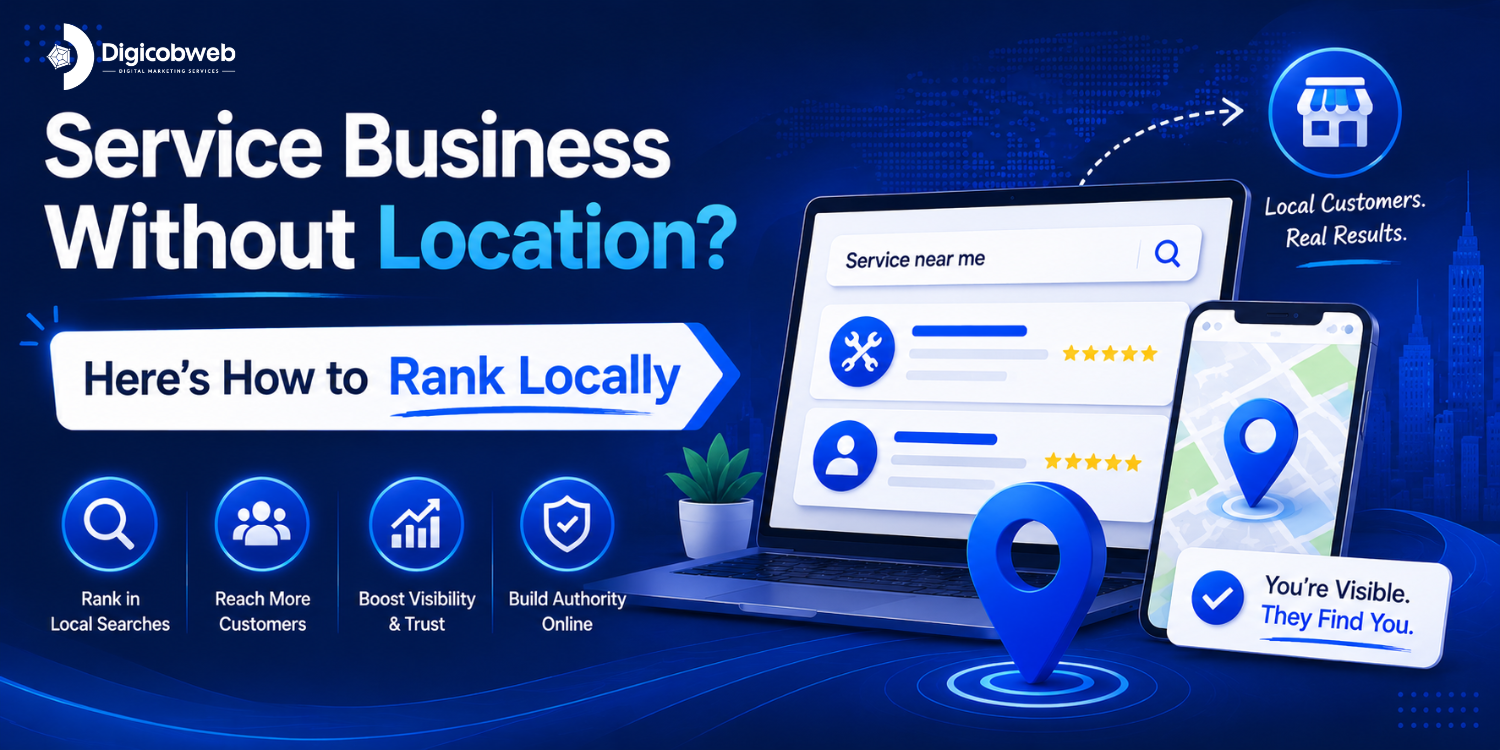
Local SEO (Search Engine Optimization) is a way of optimizing an enterprise’s on-line presence so that it gets visibility in nearby seek outcomes. It makes a speciality of growing visibility for place-based searches, like “near me” or precise place based queries. Key elements include Google Business Profile, local keywords, reviews, and NAP consistency.
In this blog, we will break down the latest Local SEO ranking signals, how to optimize your GBP, create high-quality citations, create local content that works, handle online reviews, and monitor your performance in the right way.
As a small business owner or digital marketer by managing multiple locations, you’ll be able to create a solid local presence that delivers results.
Factors Affecting Local Search Ranking
As content nowadays is more intent-driven search behavior affects. Businesses must shape their local SEO strategy according to what actually affects ranking.
The Factors Affecting Local Search ranking are:
- Google Business Profile (GBP)
- NAP Consistency
- Online Reviews
- Localised On Page Content
- Local Citations and Backlinks
- Behavioral Signals

- Google Business Profile (GBP): Your Local SEO Anchor
Google Business Profile optimization is one of the strongest signals for local ranking. Ensure your GBP is complete with the correct business category, updated hours, engaging photos, service areas, and regular posts.
Engagement also matters. Listing daily updates and interactions like commenting or posting reviews tends to perform better. GBP is often the first impression for mobile users—make it count.

- NAP Consistency: Build Trust Across the Web
Google cross-verifies NAP(Name, Address and Phone Number) records throughout your website, directories, social media, and other listings. Any inconsistency—which includes special formats, old phone numbers, or missing suite numbers—can confuse engines like google and hurt your nearby visibility.
Maintaining a checklist and auditing your website often ensures consistency throughout all platforms.
a. Online Evaluations: Influence Perception And Rating
Critiques are a right away reflection of your commercial enterprise recognition and play an essential role in scores.
Make sure your customers leave feedback and reviews. Also make sure to respond to reviews left by your customers (positive or negative).. Use review keywords naturally; they can help boost relevance for search terms.
- Localized On-Page Content: Speak to Your Area
Creating geo-specific service pages, adding location-based keywords, and including details about your local service areas is important. Even your blog content can support local SEO when written around local events, news, or community highlights.
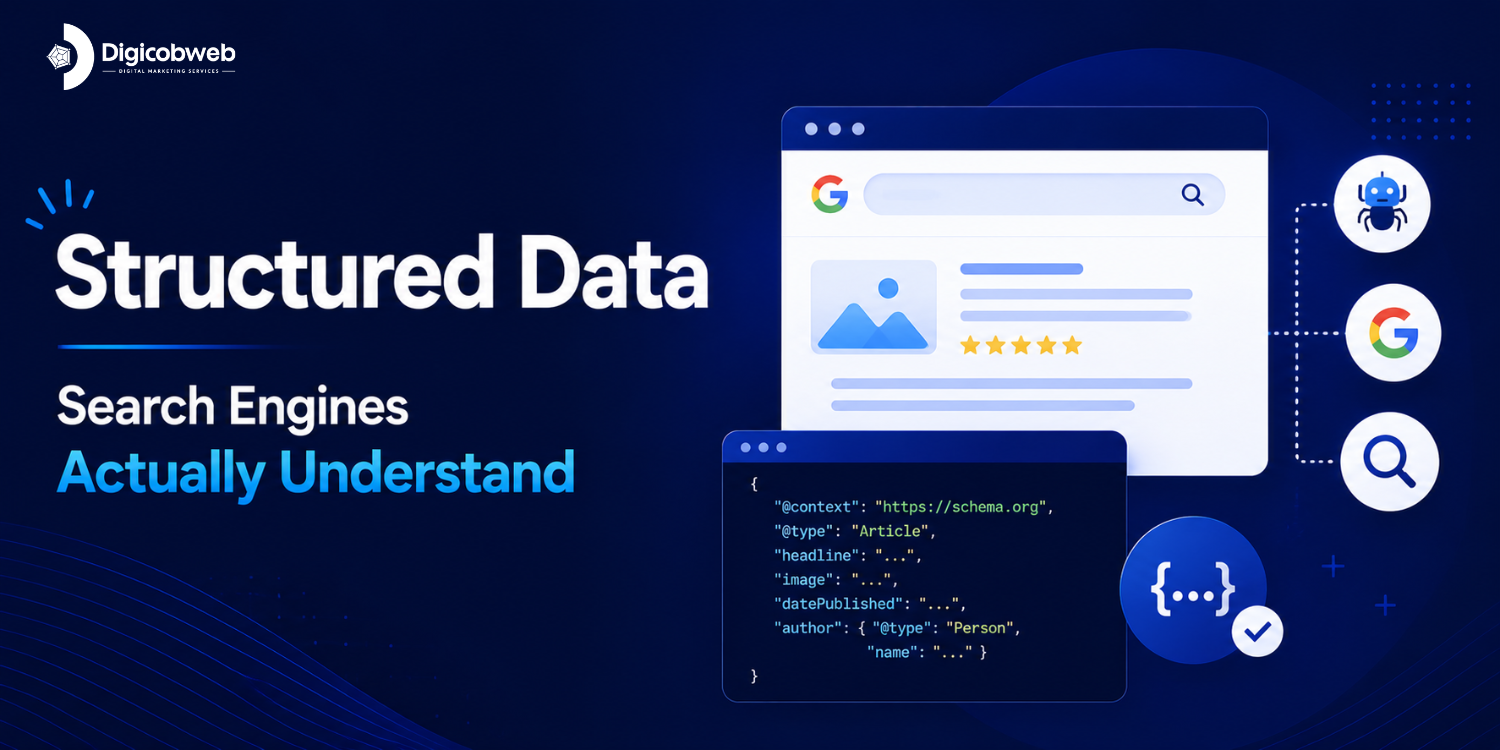
Implementing schema markup and embedding Google Maps can further help search engines understand your geographical relevance.
- Local Citations and Backlinks: Establish Local Authority
Citations mention your company’s name and information on sites such as Yelp, JustDial, or local chambers which act as trust indicators.
Backlinks from nearby and appropriate domains (local news sites or business organizations) acts as an authentication for your business.
Prioritize high quality over volume. Consistency and pertinence are most important.
- Behavioral Signals: Engagement That Matters
Google evaluates how users interact with your listings. Metrics like click-through rate, direction requests, and call button taps are strong indicators of relevance. A well-optimized listing that earns more engagement will often climb higher in results.
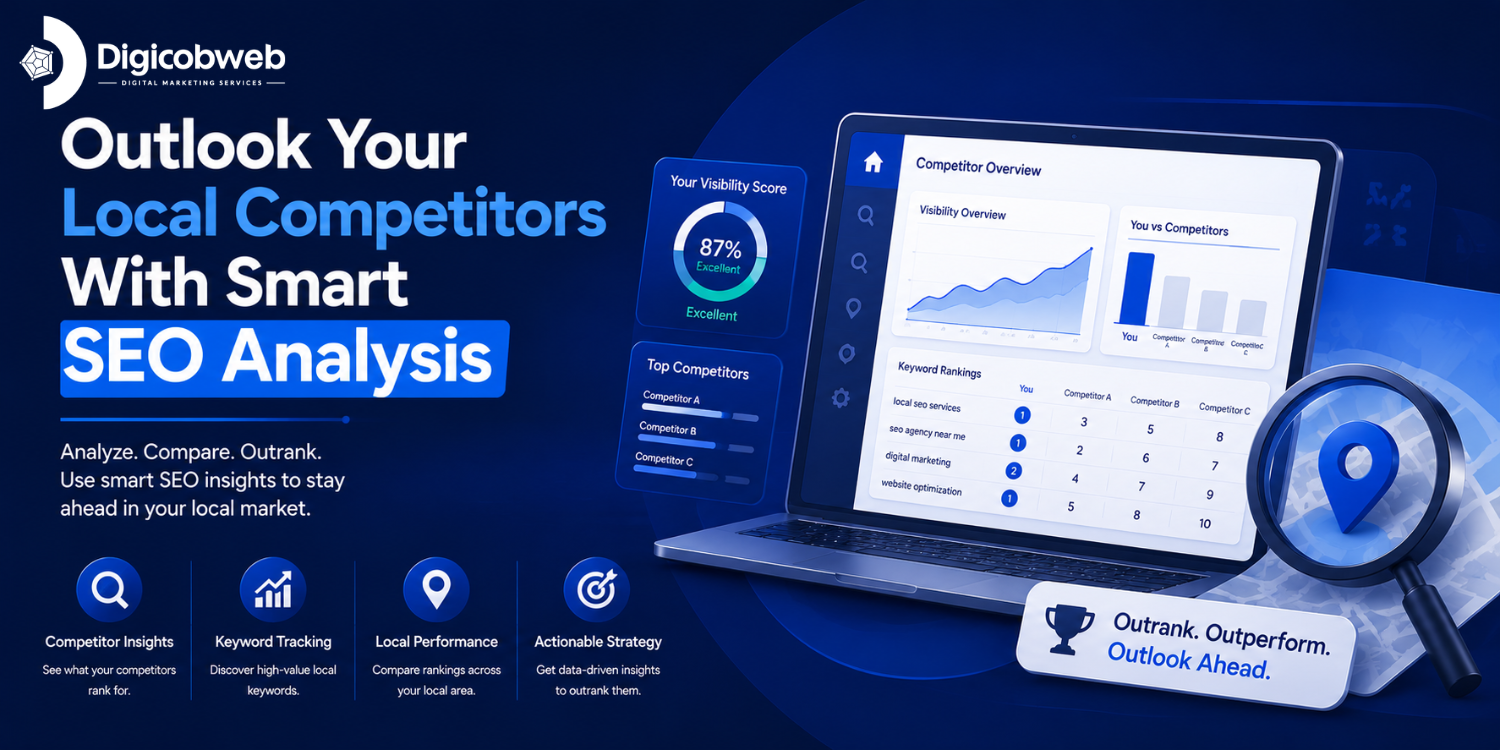
Not sure how your business scores on these factors?
Google Business Profile Optimization
Google Business Profile Optimization
Google Business Profile (GBP) the single most impactful element of local SEO strategy—and often the first opinion maker for potential customers. If done properly, it can improve your chances of appearing in Google Maps searches.

Step #1: Claim And Verify Your Listing
If you haven’t claimed your GBP yet, this is the first step. Visit the official Google Business Profile site and follow the process to claim and verify your business.
Verification ensures you’re the legitimate owner and you have all features for editing and optimization.
Step #2: Choose Right Business Categories
One of the most overseen yet most important steps is selecting the correct categories. The primary category directly influences what type of searches your business can be shown on,while the secondary categories help in expanding your reach (avoid stuffing irrelevant ones).
Tip: Use Google’s autocomplete feature to explore how competitors are categorized for similar services.
Step #3: Perfect Your Core Business Info (NAP)
Ensure consistency for:
- Business Name
- Address
- Phone Number (NAP)
Step #4: Using High-Quality Photographs & Videos
Upload pictures that show your storefront, group, workspace, and indeed client interactions.Try keeping the photo fashion reliable together with your brand look.
Tip: Videos (under 30 seconds) can too include validity and lock in watchers quicker.
Step #5:Use Posts to Stay Active and Relevant
Use the “Posts” feature to:
- Promote offers or events
- Announce changes
- Share news or milestones
Tip: Include Call To Actions like “Learn more” or “Book now” for driving actions.
Step #6: Respond to Reviews
- Be polite and respond quickly.
- Include relevant keywords naturally.
- Turn negative reviews into trust-building opportunities.
Local Link Building and Citation Strategies
Constructing a strong local search engine optimization presence goes past simply having a Google enterprise Profile. You need to establish authority—and that starts off evolving with citations and links from dependent on nearby sources.
Repeated citation can assist search engines in confirming your business validity and enhancing local ranking.
Build Local Links with Intent
Local backlinks are just as important. Reach out to:
- Local blogs and news portals relevant to your niche
- Chambers of commerce or business directories near you
- Community sponsorships (like school events or NGO partnerships)
These links not only pass SEO value but also reinforce your presence in a specific geography.
Review Management and Reputation
Reviews are important for trust signals for Google as well as your customers. They have a major effect on your local ranking, click-through rates and can help in creating brand perception.
Why Review Matters?
Google prioritizes businesses with frequent, high-quality reviews. More than just stars, reviews with relevant keywords can boost your visibility for specific search queries.
How to Get Reviews Ethically
Encourage happy customers to leave reviews via:
- Follow-up emails
- Short SMS links
- Print QR codes
The process should be simple and mobile user friendly.

How to Handle Negatives Smartly?
Bad reviews must not be ignored, they should be responded to professionally. A considerate response can turn a wrong print into a reputation building moment.
Future Trends in Local Search
Local SEO in 2025 has changed rapidly—and those who adapt quickly will maintain their edge. Here’s what the future has in store for local visibility:

- Rise of Voice Search and “Near Me” Evolution
With smart aid becoming the norm, voice inquiries like “best café near me” are surging. This makes mobile optimization, conversational keywords, and local intent targeting more important than ever.
- Google’s AI Integration
Google is now using AI to better interpret intent behind local queries—often showing AI-generated overviews, maps, or product listings. Businesses which are strong, have structured data and are consistent with content will be benefited most.
- Entity-Based SEO is New Normal
Google increasingly understands businesses as entities, not just websites. This means your brand mentions, reviews, and Knowledge Panel data all contribute to your visibility.
- Video and Local Content Integration
Short-form recordings, reels, and localized visual substance are picking up footing in nearby packs and social stages. Sharing behind-the-scenes clips, tributes, or neighborhood occasion scope can increment both engagement and discoverability.
Conclusion: Remain Ahead in Local SEO
Local SEO is not just about showing up on maps anymore—it’s about being trustable, relevant, and visibility in your local area. Whether you’re optimizing your Google Business Profile, creating local links, or handling reviews, all aspects contribute to how Google ranks and how customers decide.As intent, AI-powered results, and hyper-local interaction replace search behavior, therefore companies who will move now will be the ones that rule tomorrow’s local landscape.