Introduction
If you’ve been in SEO for a while, you’ve probably heard people say “link building is dead.”
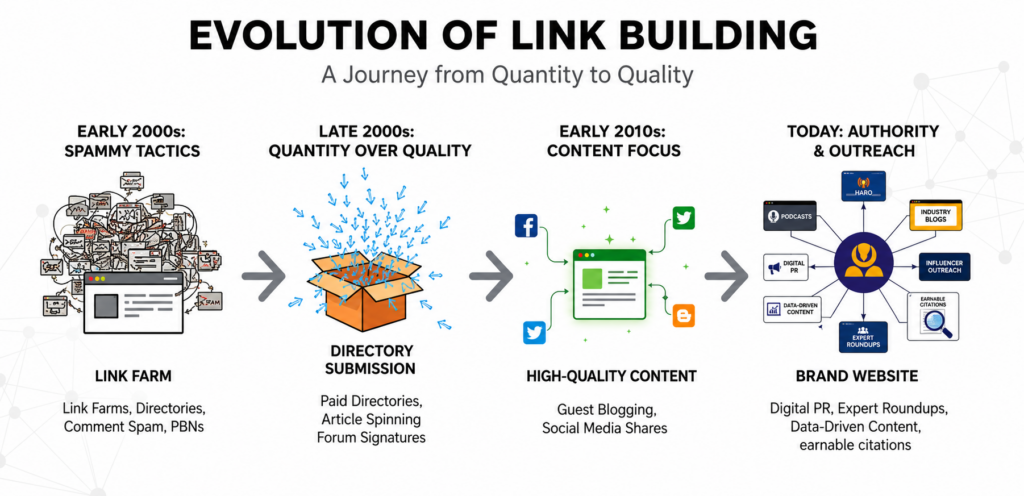
Here’s the truth: it’s not. It’s just developed. Google’s algorithm is more discriminating in how it will count links. Link exchanges and spam directories are no longer effective, but getting quality backlinks from mature sources? Traffic, authority, and rankings are still influenced by that.
Link-building strategies in SEO are one strategy you can use to increase the legitimacy of your website. Search engines give your website more consideration when it’s being mentioned by reliable sources.
This guide breaks down 8 link-building strategies that still produce results in 2026. You’ll learn practical approaches to guest blogging, digital PR, resource link building, broken link building, and others that agencies and in-house teams use to build profiles that hold up under algorithm updates.
What Is Link Building in SEO?
✦ Quick Answer: Link building in SEO is the process of earning hyperlinks from other websites to your own.
These backlinks act as trust signals to search engines. The more high-quality, relevant sites that link to your content, the more authority and ranking power your pages gain.
Not all links are equal; one link from a trusted industry site is worth more than dozens from low-authority sources.
When a quality website links to your page, Google interprets it as evidence that your content is worth reading. But the emphasis is on quality: a single contextual link from a domain like Ahrefs or Search Engine Journal carries more weight than twenty directory submissions or forum comments.
Three core principles define good link building:
- Links are trust signals: They are a signal to search engines that your site can be trusted.
- The quality generates referral traffic: A backlink in a niche publication will generate targeted traffic, rankings notwithstanding.
- Good link building is earned, not bought: It’s about creating value others want to reference.
So when we talk about effective link-building strategies, we’re really talking about how to earn those trustworthy, high-value links that tell Google your content deserves to be seen.
Why Link-Building Strategies in SEO Still Matters
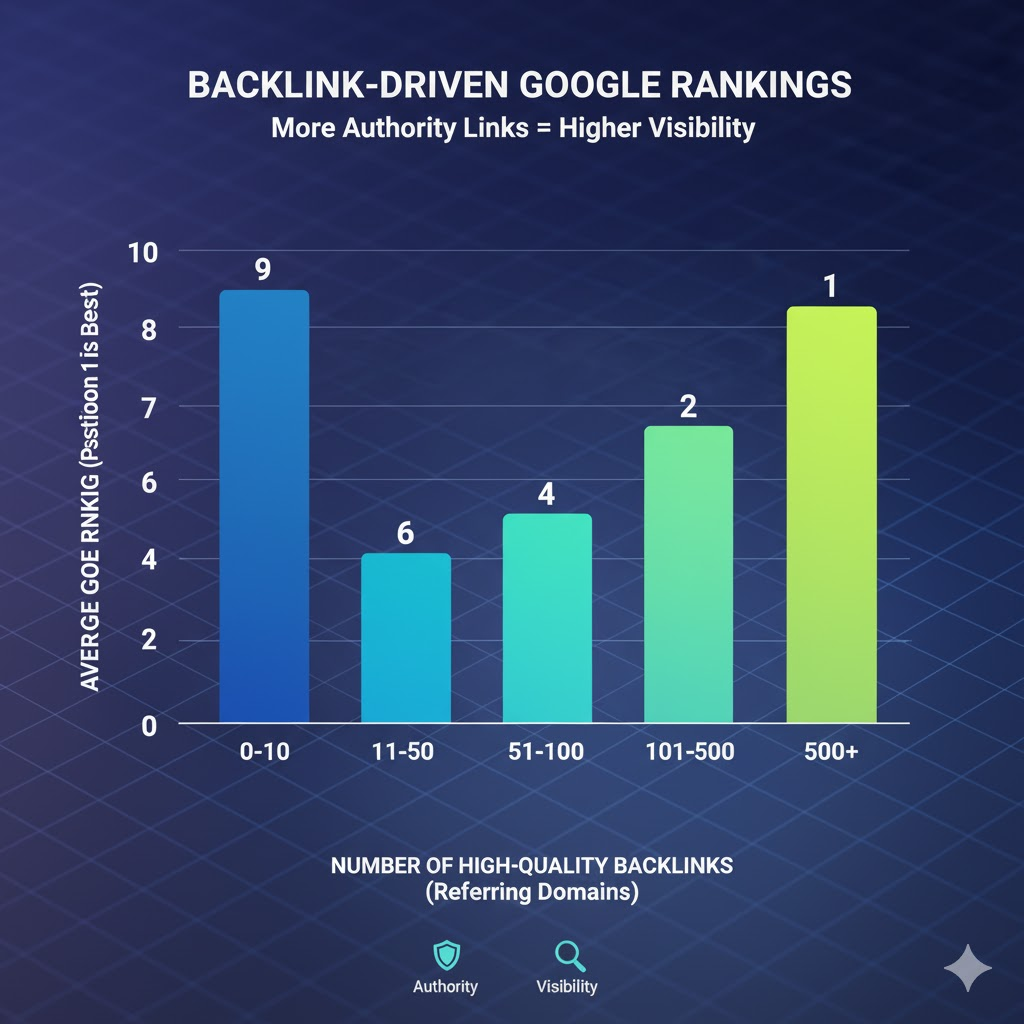
Even with all of Google’s algorithm changes, backlinks remain one of the top three ranking factors. Here’s why link building is still a non-negotiable part of any SEO strategy in 2026:
1. Backlinks Remain a Core Ranking Factor
Google’s own documentation confirms that backlinks are used to evaluate page authority.
When high-quality websites link to yours, Google treats it as a vote of confidence.
A few well-placed contextual links from established industry sources will consistently outperform hundreds of low-quality directory submissions.
2. Backlinks Drive Referral Traffic (Not Just Rankings)
Good backlinks do more than help SEO; they drive interested people who are actually looking for your content or service.
When you acquire a link from a person that your target market respects, you’re acquiring quality traffic and not irrelevant clicks.
Example: If a marketing automation platform is ever mentioned in a “Top 10 SEO Tools” blog post on HubSpot. That link will send months’ worth of consistent referral traffic, not to mention authority in the eyes of the right readers.
3. A Strong Link Profile Protects Against Algorithm Updates
Every backlink from an authoritative site is a public endorsement. Consistent mention over time by good sites makes your brand an authority in the niche.
It’s due to this that smart SEO companies are looking for links from niche-related sources such as podcasts, directories of experts, and news coverage and not generic links. It’s in an effort to create a long-term reputation and not for rankings that surge then fall.
4. Quality Links Protect You from Algorithm Volatility
Sustained link building strengthens your entire domain, not just individual pages. This means new content you publish benefits from the cumulative authority you’ve already built, making each future piece easier to rank and faster to index.
Quick Recap: Backlinks are still Google’s top trust signal. They drive referral traffic, protect against algorithm volatility, and compound domain authority over time. The strategy has evolved; quality, relevance, and editorial context are what matter now.
|
Ready to Build a Stronger Link Profile? Get in touch with the Digicobweb team to develop a custom link-building strategy for your agency, brand, or local business. We build links that last. |
| Contact Us |
What Makes a Backlink ‘High Quality’?
Before diving into strategies, it’s important to understand what separates a valuable link from one that adds little or no benefit. Not all backlinks move the needle equally.
| Quality Signal | What to Look For |
| Relevance | The site is topically related to your content or niche |
| Domain Authority | High DA/DR; site Google already trusts in your niche |
| Contextual Placement | A link sits inside body copy, not a footer, sidebar, or link list |
| Anchor Text | Natural, varied: branded, partial-match, or descriptive phrases |
| Referral Traffic Potential | The linking page has real audience; can send engaged visitors |
| Follow vs No-Follow | Predominantly dofollow for authority; a mix appears natural |
| Editorial Nature | Earned because the content is genuinely useful not paid or forced |
| Freshness | Recently acquired or newly referenced; signals ongoing relevance |
Tip: Use tools like Ahrefs or Semrush to check a prospective linking domain’s authority, relevance, and traffic before investing outreach effort. One strong, relevant link beats fifty weak ones every time.
8 Effective Link Building Strategies in SEO That Still Work
These are not shortcuts. Each of these strategies is grounded in creating or having a genuine value, which is what earns the kind of editorial links that improve rankings and survive algorithm updates.
Below is a summary of the best practices that you can apply today.
1. Guest Posting
How It Works:
You contribute a high-quality article to a relevant industry website. In return, you receive a backlink typically within the article body or author bio.
Tips for Success:
• Target sites with genuine audience overlap and a solid domain authority.
• Pitch original, specific ideas. Editors reject generic topics instantly.
• Focus on thought leadership content, not keyword-stuffed filler.
• Build relationships with editors before pitching for higher acceptance rates.
Example: A marketing agency contributes ‘How to Build a Link Profile for a New Domain’ to a SaaS marketing blog. The article earns a contextual backlink and positions the agency as an expert to a new, targeted audience.
2. Resource Link Building
How It Works:
1. Identify resource pages or link roundups in your niche that already link out to content like yours.
2. Create content that is genuinely useful enough to deserve inclusion.
3. Reach out with a brief, personalized email explaining how your resource adds value to their list.
Tips for Success:
• Prioritize niche-specific resource pages over generic link lists; the relevance matters more than the DA.
• Make the ask simple and low-friction; attach a one-line description they can copy directly.
• Personalize every outreach email; generic templates are ignored.
Example: You publish a comprehensive guide to ‘Anchor Text Best Practices. You find a ‘Digital Marketing Resources’ page on an established marketing site and reach out. If added, you earn a high-authority contextual link that passes strong ranking equity.
3. Unlinked Brand Mentions
Unlinked brand mentions are opportunities where one mentions your brand, product, or content but does not link back to your site. Converting such mentions to backlinks is a low-effort, high-reward strategy.
How it Works:
- Monitor your brand online using tools like Google Alerts, Mention, or Brand24.
- Identify mentions that do not include a backlink.
- Reach out to the author or site owner politely, thanking them for the mention and suggesting they link to your site.
Tips for Success:
- Make sure the ask is polite, simple, and benefits-oriented.
- Offer to link to a specific page instead of your homepage.
- Go for sites with the same audience because these links are of the highest quality.
Example: A blogger references your ‘Link Building Strategies’ guide but doesn’t link it. A brief email: “Hi [Name], glad you found it useful! Would you mind adding a link so readers can find the full guide?” converts a mention into a clean editorial backlink.
4. Digital PR and Data Stories
Digital PR is how to make newsworthy content that naturally receives backlinks by earning the attention of trade publications, bloggers, and journalists. Having data stories or new research is one of the best methods.
How it Works:
- Use timely, significant issues pertaining to your subject for maximum pickup.
- Add graphics and summaries so that journalists can readily access them.
- Publish your material. Public gated content kills your chances of gaining backlinks.
Tips for Success:
- Focus on timely, relevant topics in your niche to increase pickup rates.
- Include visuals and concise summaries to make it easy for journalists to reference.
- Making your content publicly accessible: gated content reduces your chances of getting backlinks.
Example: A digital marketing agency surveys 500 marketers on link building budgets. They design an infographic of the results and pitch it to SEO publications. Multiple sites cite the data in their own posts, generating high-authority editorial backlinks that remain live for years.
5. HARO and Journalist Outreach
HARO and journalist outreach are great means of acquiring quality, authoritative backlinks through becoming an authority source.
How it Works:
- Get registered on HARO or other sites that connect journalists to expert contributors.
- Keep track of related questions in your field.
- Respond quickly with a concise, valuable response offering real value.
Tips for Success:
- Keep it short and precise. Writers don’t have time.
- Add a short bio and backlink to your resource or site.
- Target the most related questions to your niche for best results.
Note: HARO (Help a Reporter Out) was acquired and rebranded as Connectively in 2023. Alternatives like Qwoted and Featured.com now offer similar journalist-to-expert matching and are widely used by SEO teams for link acquisition.
6. Skyscraper and Content Repurposing
The Skyscraper Technique, which Brian Dean developed, is the process of creating content superior to what already exists and then promoting it in order to get backlinks. When combined with content repurposing, it’s a very powerful way of getting authority links.
How it Works:
- Discover the quality content in your niche with good backlinks.
- Create a better one that’s informative, fresh, better-looking, or possible.
- Contact the sites that linked to the original and offer them your upgrade.
Tips for Success:
- Target top-ranking content that will be relevant to your audience.
- Add fresh value in the form of fresh research, graphics, step-by-step instructions, or case studies.
- Optimize and do not rip off so it becomes the clear, link-worthy choice.
Repurposing Content:
- Turn blog posts into infographics, slide presentations, videos, or downloadable reports.
- Publish them on various sites to get mixed backlinks from various websites.
Example: You find a popular ’10 Link Building Techniques’ post with 80+ backlinks. You produce a 2026 version with new data, examples, and a downloadable checklist. When you reach out to the sites linking to the older post, a percentage will switch their link to your more current resource.
7. Strategic Partnership and Local Link Building
Strategic partnering and local linking are techniques with the aim to build two-way links with other firms, organizations, or local businesses for gaining backlinks.
How it Works:
- Find prospective partners: local enterprises, industry groups, or complementary service companies.
- Partner with content, events, or sponsorships that by nature can have connections to your website.
- Contact local directories, chambers of commerce, or neighborhood websites with quality submissions.
Tips for Success:
- Relevance and quality are more important than quantity. A few good-quality local links are more desirable than many poor-quality links.
- Provide value for guest posting, co-branded resources, or expert commentary.
- Relationship-based; quality relationships will create more consistent backlink opportunities.
Also Read: Local Link Building Strategies That Drive Ranking
Link Building Strategy Comparison: Quick Reference
| Strategy | Effort | Time to Results | Link Quality | Best For |
| Guest Posting | Medium | 2-4 weeks | High | Authority + brand exposure |
| Resource Link Building | Low–Medium | 1-3 weeks | High | Niche authority pages |
| Broken Link Building | Medium | 1-2 weeks | High | Replacing dead resources |
| Unlinked Mentions | Low | Days-1 week | Medium–High | Existing brand awareness |
| Digital PR / Data Stories | High | 4-8 weeks | Very High | Long-term authority |
| Journalist Outreach | Low–Medium | 1-4 weeks | High | Expert positioning |
| Skyscraper Technique | High | 4-8 weeks | High | Competitive niches |
| Strategic Partnerships | Medium | Ongoing | Medium–High | Local + niche authority |
Best Practices for Link Building in 2026
Link building is not linking, but linking intelligently, morally, and in the long term.
Following best practices ensures your efforts deliver long-term SEO value without risking penalties.
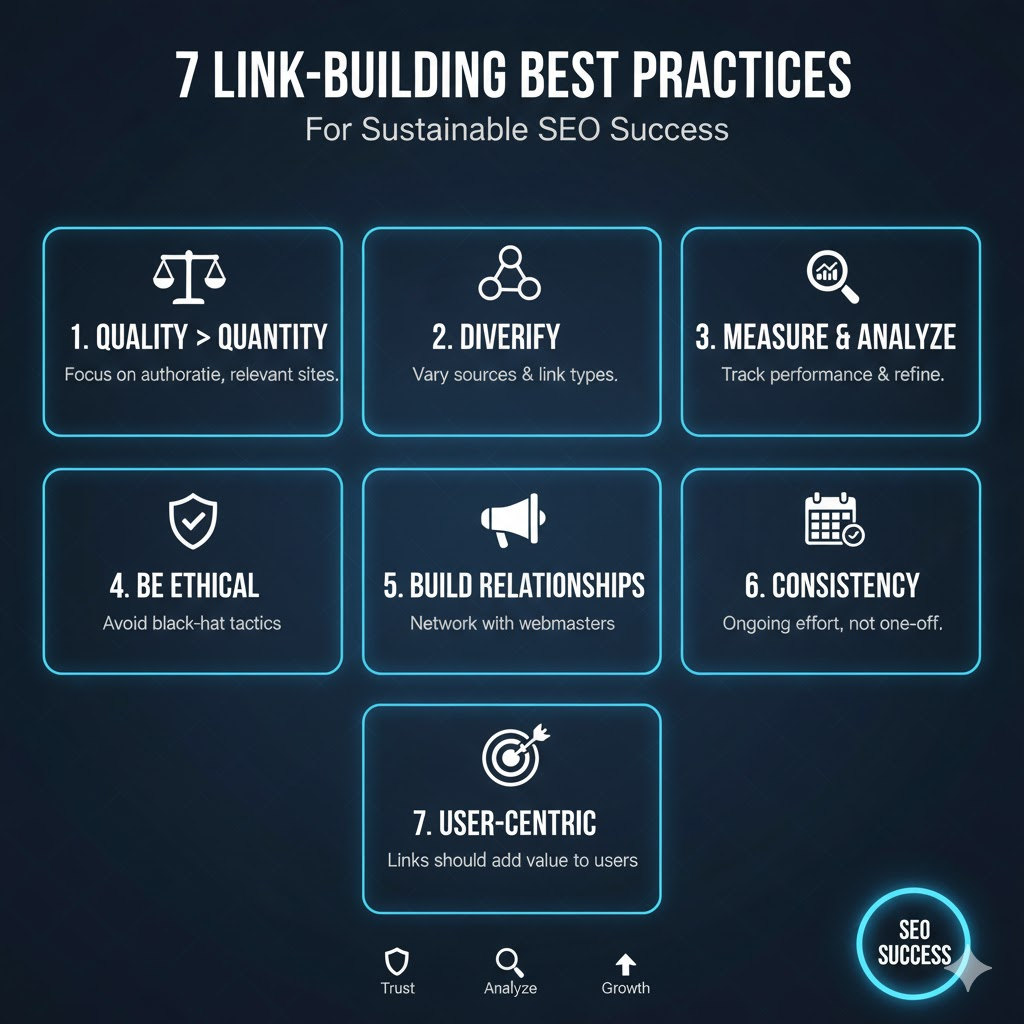
Here are the key best practices to keep in mind:
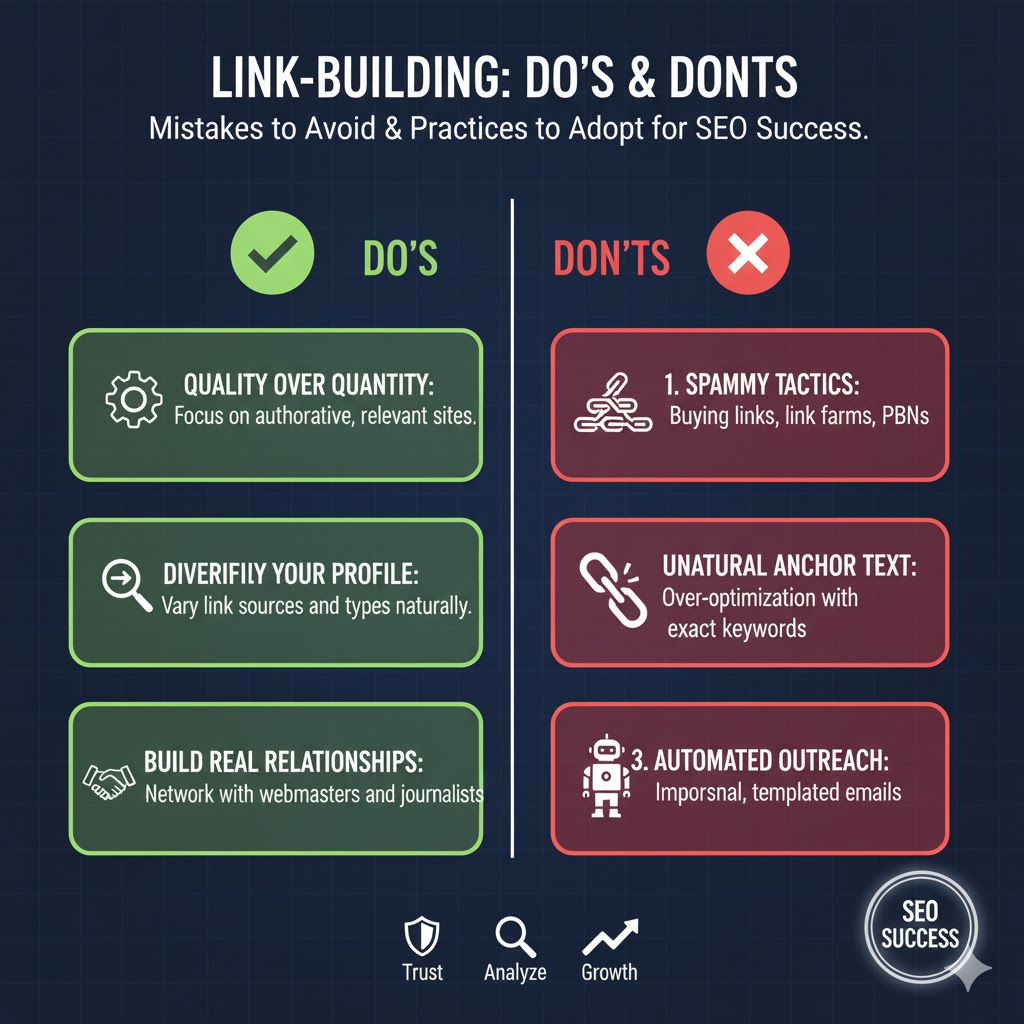
1. Prioritize Quality Over Quantity
One contextual link from a high-authority, relevant site will consistently outperform dozens of low-DA links. Focus your outreach on sites that already rank well in your niche and serve an audience that overlaps with yours.
2. Diversify Your Link Profile
A natural-looking link profile includes a mix of editorial links, resource links, brand mentions, and follow/no-follow links from different domains and formats. Over-reliance on any single source or tactic can trigger spam signals.
3. Use Natural Anchor Text
Avoid over-optimizing anchor text with exact-match keywords. Instead, use a blend of branded anchors, partial-match keywords, generic phrases, and long-tail descriptive text. A varied anchor profile looks earned, not manufactured.
4. Use the Right Link Building Tools
| Tool | Primary Use | Best For |
| Ahrefs | Competitor backlink research, lost link recovery, broken link finder | Agencies + in-house SEO teams |
| Semrush | Backlink audits, outreach tracking, domain authority checks | Full-service SEO teams |
| Hunter.io | Find email addresses for outreach targets | Outreach campaigns |
| BuzzStream | Manage and track all outreach conversations | High-volume link building |
| Google Alerts / Brand24 | Monitor unlinked brand mentions in real time | Ongoing mention tracking |
| Check My Links | Find broken links on target pages | Broken link building |
5. Focus on Relationships, Not Just Links
The best link opportunities come from genuine professional relationships. Engaging with bloggers, journalists, and editors sharing their content, contributing value, and commenting thoughtfully creates goodwill that makes future outreach significantly more effective.
6. Track and Measure Your Links
Monitor new links gained, check for drops or broken links, and periodically audit your profile for toxic domains using Ahrefs or Semrush’s backlink audit tools. A clean, current profile is less vulnerable to manual penalties and algorithm updates.
7. Stay Updated With Google Guidelines
SEO is constantly evolving. Stay aligned with Google’s Webmaster Guidelines and algorithm updates to ensure your strategies remain compliant.
Common Mistakes to Avoid
| Mistake | Why It Hurts, And What to Do Instead |
|---|---|
| Buying bulk backlinks | Google detects unnatural link patterns and penalizes them. Invest in earned, value-based tactics instead. |
| Over-optimizing anchor text | Identical exact-match anchors across multiple links trigger spam signals. Use varied, natural anchor text. |
| Ignoring link relevance | Links from unrelated domains carry minimal SEO value. Target sites that share your topic and audience. |
| Chasing quantity over quality | 50 low-DA links rarely outperform 3 strong editorial links. Set minimum DA thresholds for outreach targets. |
| Neglecting broken or lost links | Pages change or disappear. Use Ahrefs to find and reclaim lost links; it’s faster than building new ones. |
| Treating outreach as transactional | Cold pitch-only outreach has low acceptance rates. Build relationships first; links follow naturally. |
| Not tracking link performance | Without data, you can’t scale what works. Track referral traffic, rankings, and DA growth per link. |
Conclusion
Link building does not mean shortcuts or numbers anymore. Value-based, relationship-based, and quality-based SEO strategies are the most effective.
To recap the approach that delivers results:
- Prioritize the backlinks of authoritative and relevant sites.
- Employ tactics like guest blogging, resource link building, HARO, digital PR, skyscraper content, and strategic partnerships.
- Follow best practices by diversifying your link profile, monitoring performance, and organically anchoring text.
- Avoid mistakes such as link buying, anchors’ over-optimization, or looking past relevance.
Every quality link you earn today compounds over time, strengthening your domain, accelerating future content indexing, and raising the floor for how well your pages perform. Done with consistency, link building is one of the few SEO investments with a genuinely durable return.