Introduction
Local SEO is different. Two years ago, getting ranked locally was largely Google Business Profile optimization, review harvesting, and citations. Now, the search engines do AI locally. search to determine intent, context, and even predictive behavior to decide which businesses to display first.
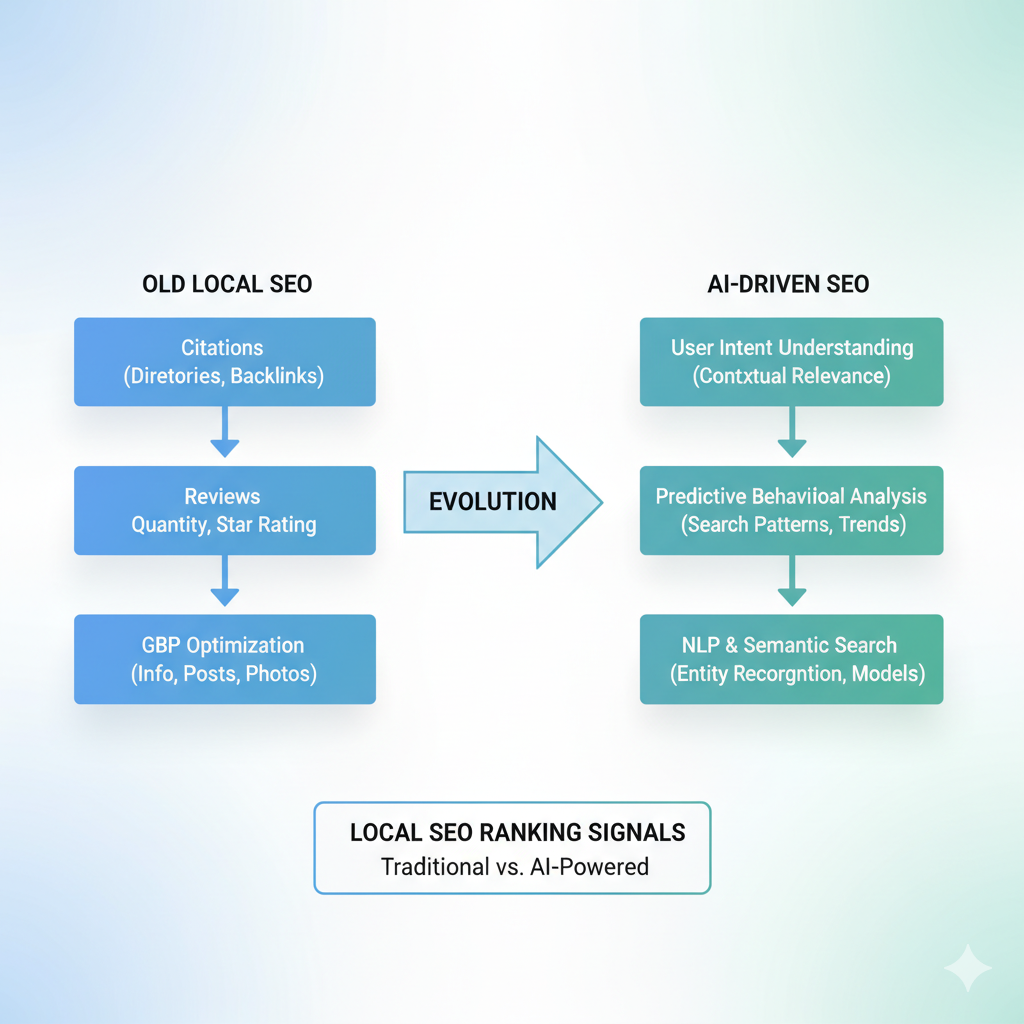
For local businesses, that means outdated practices are no longer sufficient. To prosper, one has to understand how local search algorithms work, from natural language processing that processes customers’ queries to AI review analysis models that filter out spurious reviews. The firms that adapt to this shift aren’t just showing up in local packs in isolation. They’re shaping the manner through which customers seek, compare, and choose local services.
This article breaks down how AI is revolutionizing local search, the new ranking signals you need to know about, and the practical steps you can take to stay findable in an AI-driven search environment.
What is Local Search in AI?
Local AI search is the way artificial intelligence is employed to present more precise, personalized, and intent-driven outcomes for location-based searches. Instead of just matching keyword strings like “dentist near me,” AI-powered local search algorithms consider user intent, context, history, and even live signals (e.g., device location) in an effort to make recommendations on the most relevant businesses nearby.
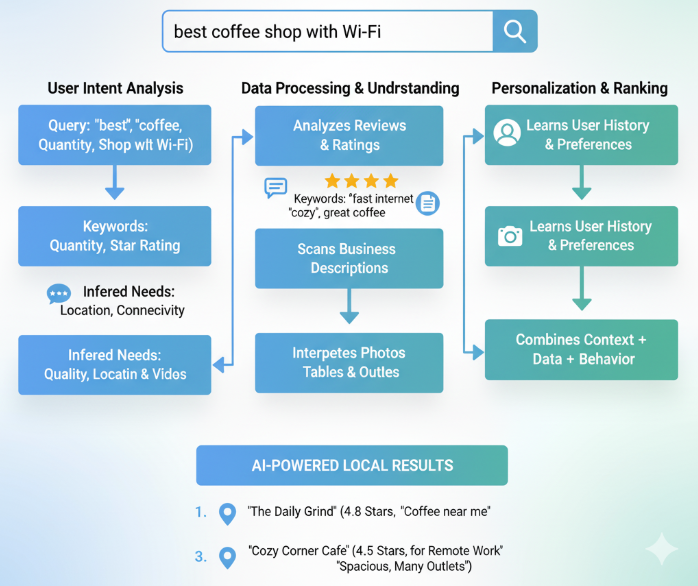
In reality, this means that search engines no longer just give proximity- or category-based results. Now, they use machine learning SEO tactics to understand what a user truly desires.
For example, when someone types in “best coffee shop with Wi-Fi,” AI digests reviews, images, business descriptions, and behavior history to provide options that truly meet that criterion.
Why it matters:
- Smarter rankings: AI local search prefers companies demonstrating relevance, trust, and authority over proximity in distance.
- Enhanced user experience: Predictive local search enables individuals to receive results that match their intent as well as their expectation.
- Business implications: For companies, this means optimizing business listings, reviews, and content to peer beyond keywords and toward what AI considers meaningful ranking signals.
How AI is Reshaping Local Search
Local search has forever been about proximity and relevance, but in 2025, AI local search is less about static rank signals and more about dynamic real-time decision-making. Google and other sites now rely on machine learning SEO models that constantly scan user intent, context, and behavior to refine search results.
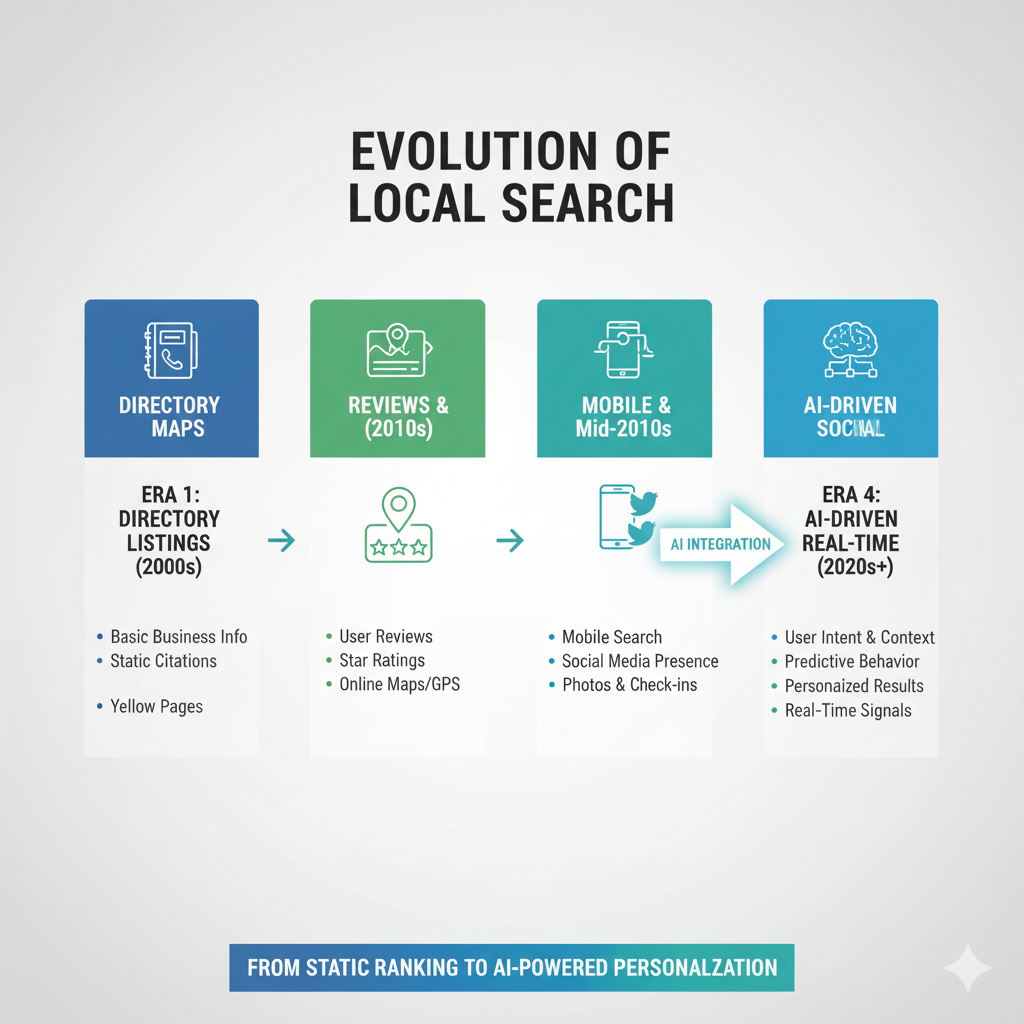
What’s shifting:
- Smarter User Intent Recognition
Search engines can now differentiate between someone entering “urgent care near me” at midnight compared to 10 a.m. on a workday. Results differ not only by location but also by urgency, time of day, and even device.
- Personalized Local Experiences
Ai Local search algorithms consider a user’s search behavior, mobility, and interaction with previous businesses. A user who constantly books appointments online may get different local results than one who usually calls manually.
- AI Business Listings Prioritization
Business profiles aren’t ranked on reviews and citations alone any longer. A listing behavior of engaging with users, prompt responses to questions, accurate service details, and instantaneous updates is what adds to AI signals.
- Predictive Local Search
Rather than waiting for a search, AI now anticipates local demand. For example, if someone habitually visits a local coffee shop at 8 a.m., predictive local search can also suggest similar destinations when they are visiting another new location.
Different Types of Local Search Algorithms
When people talk about “Google’s local algorithm,” it’s not an equation. It’s a collection of AI models collaborating to determine which businesses appear in local searches. By 2025, these models are more complex and interconnected than they’ve ever been.
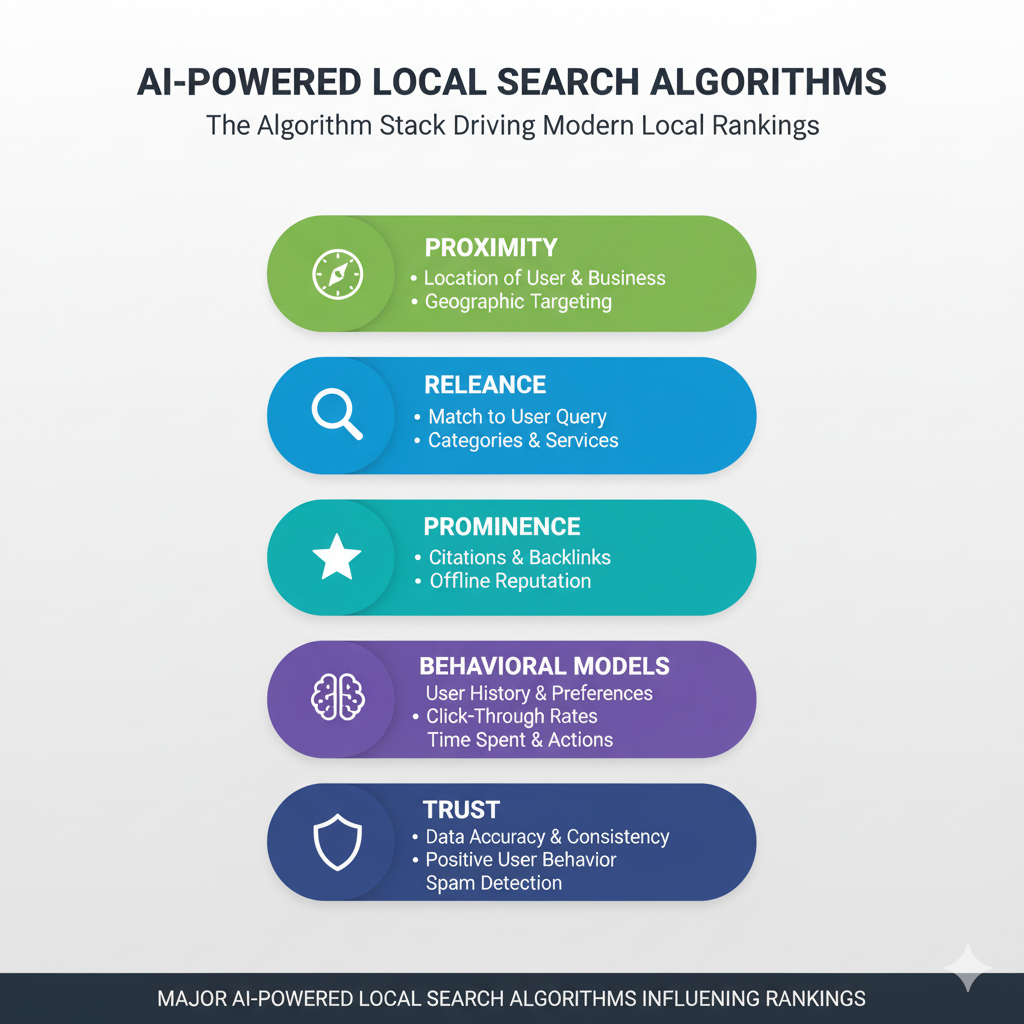
These are the major hitters that drive visibility:
- Proximity-Based Algorithms
These establish the closeness of a business to the searcher’s location. With AI, closeness isn’t just based on proximity anymore. It also takes traffic patterns, user behavior, and how likely they’re going to end up there into account.
- Relevance Models
These local search algorithms index business types, services, and local content to see whether a listing truly maps to a query. AI-based relevance now more accurately understands natural language, so queries like “late-night vegan restaurant” are matched with greater accuracy.
- Prominence Signals
Formerly tied to reviews and backlinks, prominence is now multifaceted. AI weighs social proof, AI review analysis, local mentions, and even engagement metrics like clicks-to-call or message responses.
- Behavioral AI Models
These track how users interact with results. Do they bounce back once they click on a business? Do they read reviews before they book? Do they click on directions immediately? Everything contributes to driving real-time rankings.
- Trust & Authenticity Algorithms
Fake reviews, outdated facts, and false claims are caught quicker through machine learning. Listings flagged as low-trust experience lose downgraded visibility, and businesses with consistent, honest information get more popular.
Local companies and SEO teams are more aware of these algorithms to better align strategies with how AI local search competition is currently calculated.
Step-By-Step Operation of Local Search Algorithm
When an individual is looking for a service in the local area, the local search algorithm follows a process to identify what companies appear in the listing. With AI powering this process, the system is far more predictive and contextual.
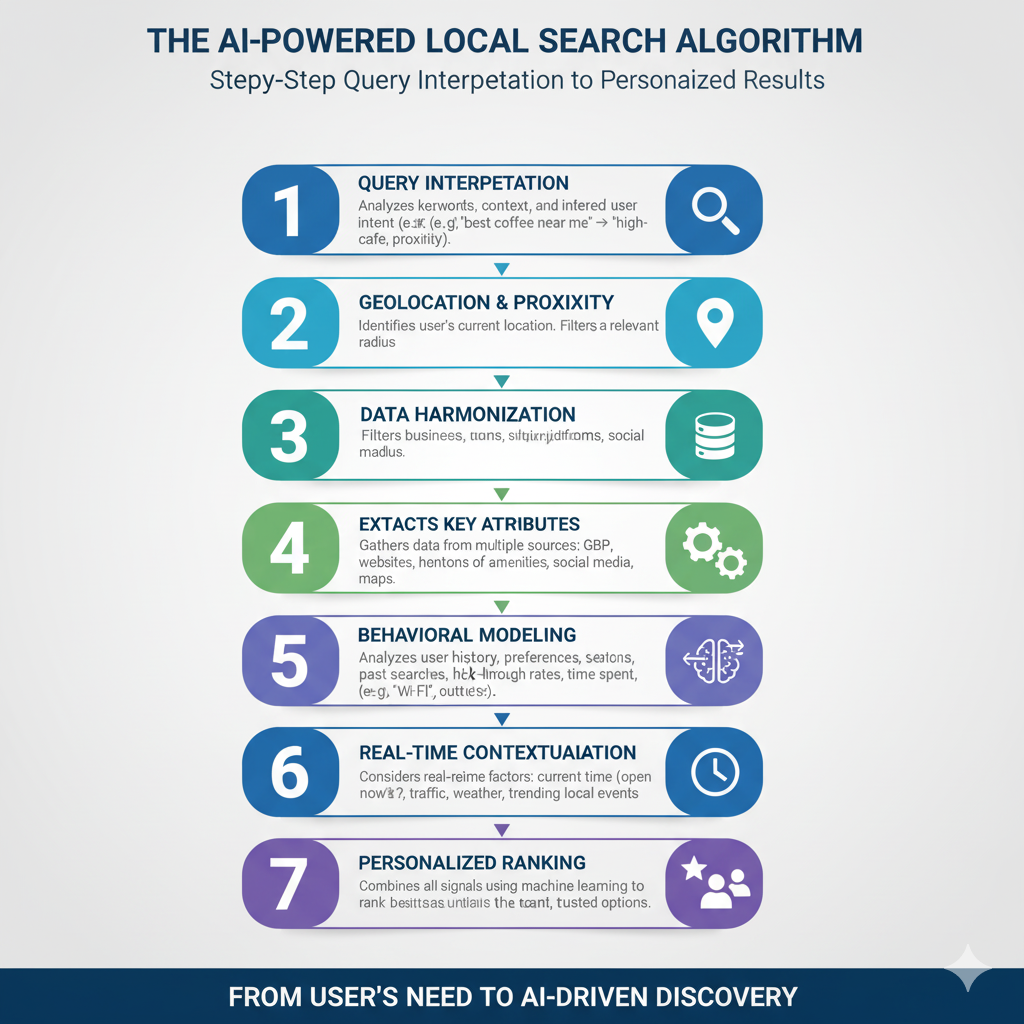
Following is the normal process:
Step 1: Query Interpretation
Then the algorithm translates intent first. A query like “best coffee shop near me” is not read literally as keywords. AI realizes that it’s all about quality, locality, and immediacy.
Step 2: Entity Matching
Google cross-matches its business directory (through Google Business Profiles and other listings) to figure out good matches. AI improves upon this by linking synonyms, types of businesses, and even conversational language.
Step 3: Relevance Scoring
The system analyzes business data like categories, services, descriptions, and local content. NLP models check whether these elements of information are consistent with the query.
Step 4: Proximity Weighting
AI calculates proximity to each business both geographically and based on real-world accessibility (traffic, walking routes, and delivery zones).
Step 5: Prominence Evaluation
Reviews, backlinks, local mentions, and user engagement all contribute to a “trust score.” AI applications now filter spam reviews and prioritize actual interactions.
Step 6: Behavioral Feedback Loop
User behavior is fed into rankings. When many users click on, call, and visit a listing, that business can rank higher in the results over time.
Step 7: Result Personalization
Finally, the algorithm made results personalized using user history, device type, and preferences. A person who was always searching for vegetarian restaurants, for example, would see those establishments ranked higher in their feed.
By following these steps, AI-driven local algorithms ensure results are relevant, trustworthy, and personalized, creating a search experience that mirrors real-world decision-making.
Want to understand how your business stacks up in AI local search?
Talk to our Local SEO experts and get a custom competitive analysis.
Adapting to AI-Driven Ranking Factors
Rankings previously were all about checklists, keywords, backlinks, citations. They are important even now, but AI altered what the algorithm prefers most. Optimizing Google no longer matters; optimizing for the user doing the search does.
Here’s how to remain in the game with AI continuously redefining local ranking signals:
1. Prioritize Real-World Relevance
The intention of AI is to connect the user with those companies that actually want to serve them. So, your business listing, website copy, and local citations have to describe what you do, where you are, and for whom you do it in plain language without any ambiguity. Write as you speak in the same language people communicate, not necessarily with which they query.
2. Optimize for Behavioral Signals
Artificial intelligence algorithms closely monitor the way people act when they are online interacting with your company.
Metrics like:
- Click-throughs on your listing
- Call or direction searches through Google Maps
- Branded search or revisits
All of which influence ranking. Optimization of your CTAs, reviews, and site UX can directly increase these engagement signals.
3. Double Down on Authentic Reviews
Pre-written reviews are getting easier and easier to spot by AI and punish. Actual, varied, and timely reviews are getting to be two of the strongest ranking signals. Request pleased customers for reviews and respond to thoughtful comments on each review, both good and bad.
4. Build Local Authority Through Content
AI evaluates how well your website answers intent. A location page that’s just a name, address, and phone number isn’t enough. Add FAQs, community involvement, service-specific pages, and local news or blog content that demonstrate expertise and trust.
5. Embrace Entity Optimization
AI is not a keyword. AI is things and relationships. Get your business data (name, categories, services, and locations) consistent in all directories and schema-markup structured. This allows AI “get” your brand and index it with more assurance.
Natural Language Processing and Local Content
AI no longer searches for keywords. AI is given meaning. Due to natural language processing (NLP), search engines are now able to read context, tone, and intent that old algorithms could never.
This is propelling the content writing and content design for local businesses.
1. Writing for Conversations, Not Just Keywords
Humans don’t search when they offer reports. They just write conversational searches such as “best pizza near me open late” or “emergency dentist in Ahmedabad.” NLP makes Google read like this. Local content should have the same writing pattern and state real-world questions naturally and briefly.
2. Building FAQ-Rich Content
FAQs are useful because they work so harmoniously with how NLP dissects queries. Placing an FAQ on your location pages or on your website puts you in the position to rank for long-tail searches and voice search. It puts your site in position for featured snippets, Google’s short-and-to-the-point answers that they display at the top of the page.
3. Contextual Signals Over Keyword Stuffing
Old-school SEO was all about repeating and repeating and repeating keywords. NLP does not make that good practice. Google looks for context instead: synonyms, proximity terms, and supporting information. A good example of that would be the page for “local dental implants” that also must include oral care, procedure details, fees, recovery time, and neighborhood districts of service.
4. Content That Reflects Local Nuance
NLP thrives on specifics. If you’re a restaurant in Andheri, don’t just say “best pizza in Mumbai.” Mention your neighborhood, nearby landmarks, or local events. This kind of context helps AI map your business to hyperlocal intent, especially for mobile and voice searches.
5. Structuring Content for AI Readability
Sitemap-friendly page titles, bullets, schema markup, and answer boxes help NLP models to “digest” your content more easily. Beautifully written pages do not just drive rankings; they get your business fronted on voice assistants, AI answers, and local packs.
Key Takeaway: NLP winners are creating copy for human beings foremost, in a natural and particular way. The closer your copy matches the language your customers search and communicate, the more effective your local rankings.
AI Review Analysis and Management
Reviews have been local SEO’s centerpiece since day one, but AI is shaking up the way companies are able to monitor and engage with them. Aside from monitoring star ratings, AI technology now goes out even deeper into patterns, sentiment, and intent.
1. Sentiment Analysis at Scale
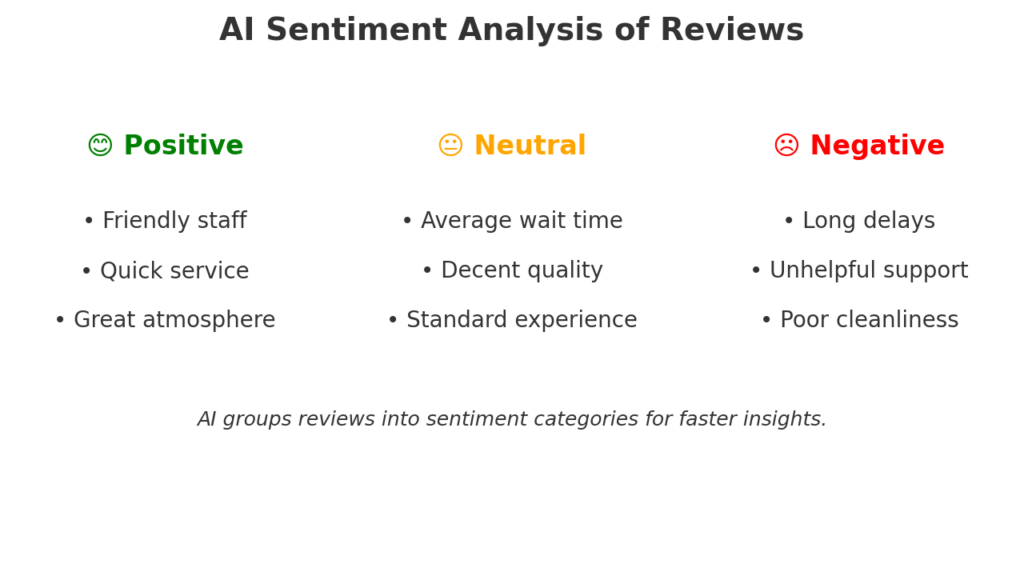
Manually reading through hundreds of reviews is unrealistic. Sentiment analysis using artificial intelligence can highlight immediately whether customer remarks are predominantly positive, negative, or neutral and even highlight repeated themes like “long wait times” or “friendly staff.” This gives businesses critical information, which can be fixed right away.
2. Detecting Fake or Coordinated Reviews
Fake reviews have been a major issue in local search. AI systems are becoming much better at spotting suspicious patterns:
- Irregular posting trend
- Mirror language across multiple reviews
- Creating new accounts simply to leave a single review
For businesses, that makes it harder for competitors to game the system and easier to maintain a good online reputation.
3. Smarter Review Responses
Reviews are not just read by machines. Professional responses can even be written using AI. Rather than pre-fab responses, AI technology can write personalized responses which are tone-compatible to the customer review. An effective response strategy establishes customer trust and signals active behavior to search engines.
4. Linking Reviews to SEO Strategy
Review language will also mirror the very same precise keywords consumers enter. Such words can be detected by the AI and given to the advertisers in terms of keywords for landing pages in local areas, ads, or FAQs. If, for instance, reviews mention “pet-friendly hotel in downtown” repeatedly, you might be able to leverage that word to create content or campaigns.
Key Takeaway: AI neither displaces human touch for review management but brings clarity at scale. Companies that use AI review analysis for local SEO can operate at high velocity, spot trends earlier, and build reputation and rankings.
Predictive Search and User Intent Signals
AI has far exceeded keyword matching for AI local search. Search engines use predictive models to predict what individuals are seeking even before they have finished typing and that has far-reaching implications for local businesses.
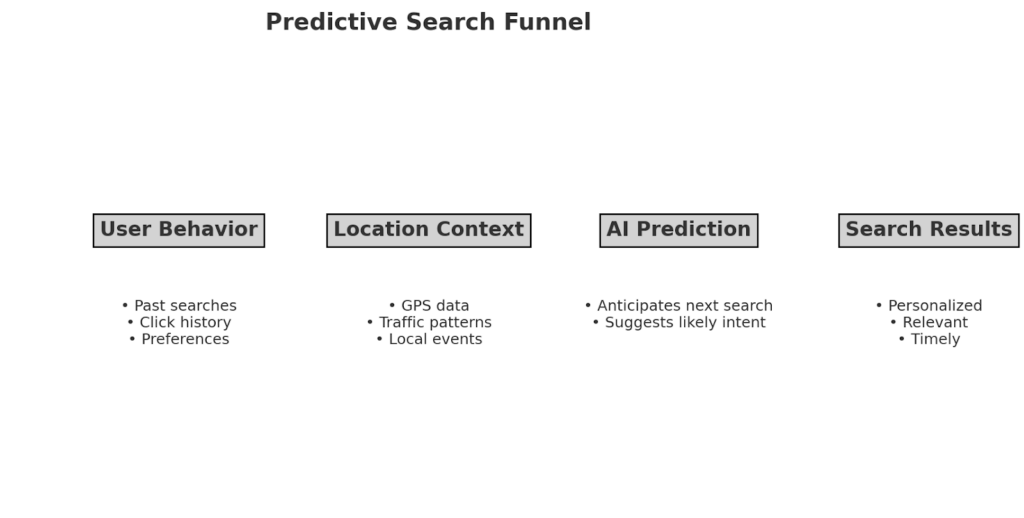
1. Anticipating Local Needs
Predictive search examines the history of behavior, location, and popular topics in the hope of being able to predict what individuals are going to search for.
For example:
- A coffee shop will be listed when someone searches for “best c” at 8 a.m. because AI is approximating “best coffee around.”
- An auto shop will be listed when people are searching for “oil change” right after a holiday weekend, according to normal need patterns.
For local businesses, this implies appearing earlier in the search process and capturing intent before your competition.
2. Hyper-Local Personalization
Predictive search then layers over it hyper-local context such as weather, traffic, or local activity. For instance, a gym showing up on predictive searches when there is rain tomorrow (less people will work out outside).
3. Optimizing for Predictive Queries
Businesses need to:
- Monitor increasing searches on Google Trends for the business location.
- Employ AI tools that identify increasing keywords with local intent.
- Ensure Google Business Profiles are fully filled out with choices such as dine-in, delivery, or emergency service prominently marked.
4. The Business Advantage
Using predictive intent insights, companies can anticipate buyers ahead of time before a search is completed. The business advantage is most typical in competitive markets where it’s often sitting at the top of the suggestion list that gets clicked.
Voice and Visual Search AI Integration
AI changed local business discovery, and two of the fastest rising trends are voice search and visual search. Both are transforming how users interact with search engines from text queries to more human-like and natural searches.

1. Voice Search for Local Queries
More than half of all voice searches contain a local intent.
People now ask such questions as:
- “Hello Google, what’s the nearest open urgent care today?”
- “How near are the pizza delivery places to me?”
AI interprets such voice search queries using a pattern of natural speech instead of exact keywords. That is to say, to companies, it is more about optimizing for more natural, long-tail-style phrasing (i.e., FAQs on your website, Google Business Profile Q&A).
Voice Search Optimization Advice:
- Conversational tone in content and listings.
- Accurate business hours, phone numbers, and services.
- Use schema markup to enable search engines to comprehend context.
2. Visual Search for Local Discovery
Visual search allows individuals to scan a product or place in order to discover things in mere seconds. Think Google Lens returning information on the front of a store or Yelp-like results off a picture of something.
For local businesses, this creates new opportunities:
- Product images can initiate discovery of retail outlets.
- Menu boards in restaurants can show up in visual search results.
- Service companies (like barbershops) will show up if people search for businesses in the neighborhood.
Visual Search Optimization Advices:
- Make sure your website and Google Business Profile feature excellent, geotagged images.
- Use descriptive ALT text with local keywords.
- Keep updated photo galleries (products, interior, menus, services).
3. Why It Matters
Voice and image search aren’t tomorrow’s extras. They’re impacting default search behavior. Companies that lead the pack have a chance to claim these new portals to local discovery.
AI Tools for Local SEO Management
Managing local SEO manually can be overwhelming, especially with AI-driven algorithms that update constantly. The good news is that there are now AI-powered tools designed to simplify optimization, automate routine tasks, and surface insights you’d otherwise miss.
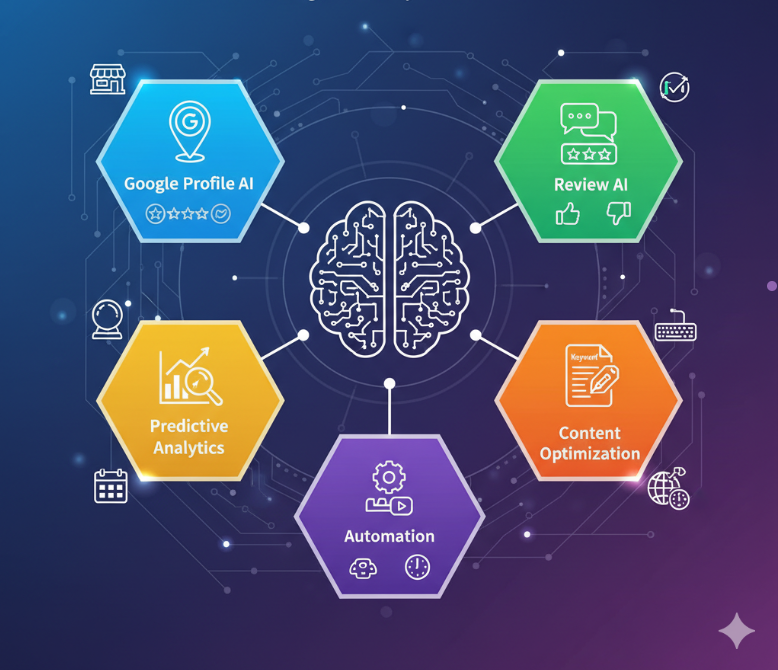
1. AI for Google Business Profile Management
AI to sort through listings, track competitor updates, and give suggestions for improved visibility. Some even track Q&As and reviews live so that businesses can answer directly and respond more effectively.
2. AI Review Analysis & Response Tools
Tap the strength of AI to screen the customer sentiment, detect potentially hurtful reviews, and even automate HIPAA-safe or brand-neutral responses. A massive benefit for companies with thousands of reviews.
3. Predictive Analytics for Local Search
AI analytics software predicts demand search, i.e., when and where the local consumers will interact. Can be utilized for ad timing, festive campaigns, and locality-specific offers.
4. Content Optimization with AI
AI content generation tools and SEO content analysis tools can recommend local keyword optimization, content gap identification, and on-page factor optimization for content alignment to AI-powered rank signals.
5. Workflow Automation Tools
Chatbots, scheduling assistants, and CRM integration prevent customer interaction from falling between the cracks, from appointment scheduling, FAQs, to giving directions.
Future-Proofing Local SEO for AI Advancements
Local AI search is not slowing down, in fact, the pace of acceleration only picks up. Companies who wish to be found by search need to be thinking long-term and have done things which would never go out of favor with the next algorithmic update.
Also Read: SEO Activities That Still Matter in the AI Search Era
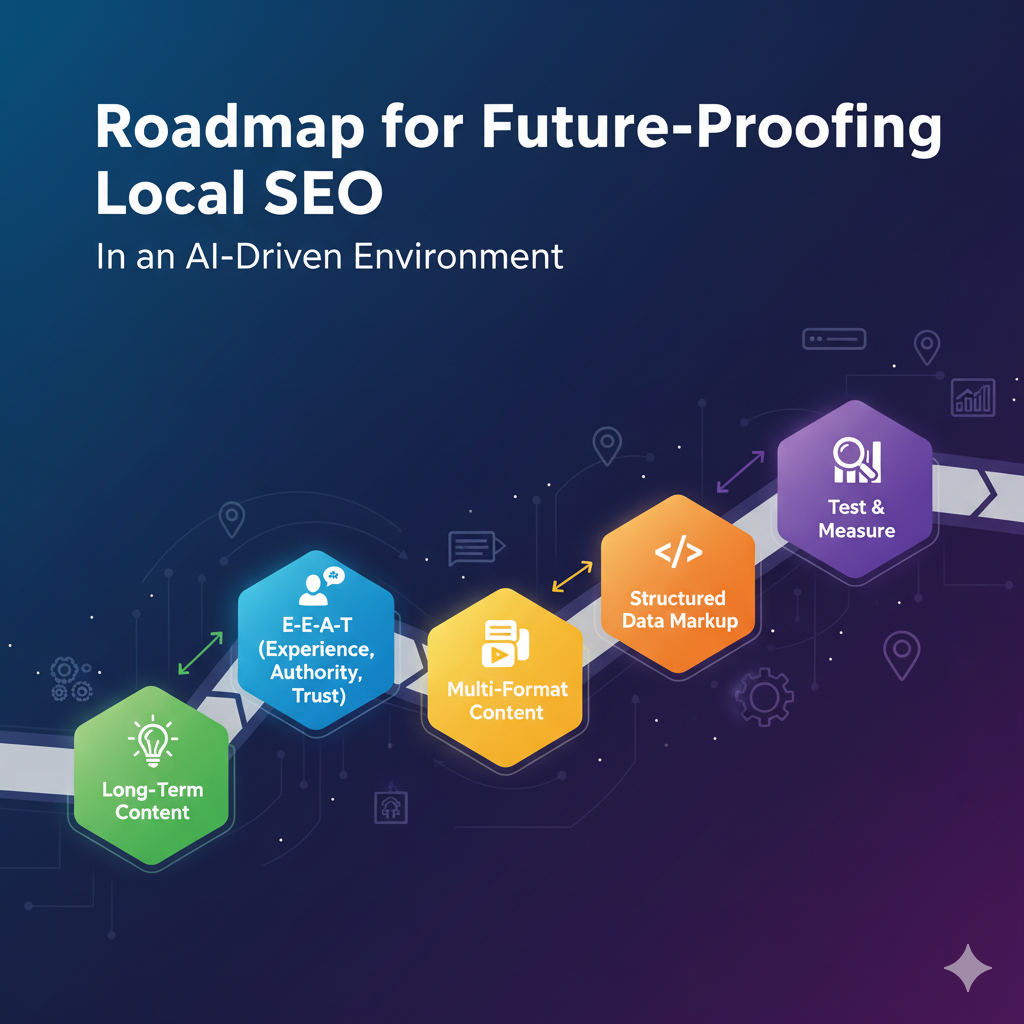
1. Focus on Long-Term Content Value
Instead of chasing short-lived keyword trends, invest time in long-term, location-based, evergreen content. Depth and consistency next are more susceptible to AI systems, so writing about topics in depth generates more authority.
2. Strengthen E-E-A-T Signals
E-E-A-T will be extremely important ranking signals. This entails content from vetted and qualified authors and demonstrating actual user experiences that can be checked elsewhere by AI.
3. Diversify Content Formats
AI search is not text. Voice search, visual search, and video snippets are search-optimized for visibility across multiple touchpoints. Short explainer videos or visual step-by-step tutorials, for instance, rank within AI-powered search previews.
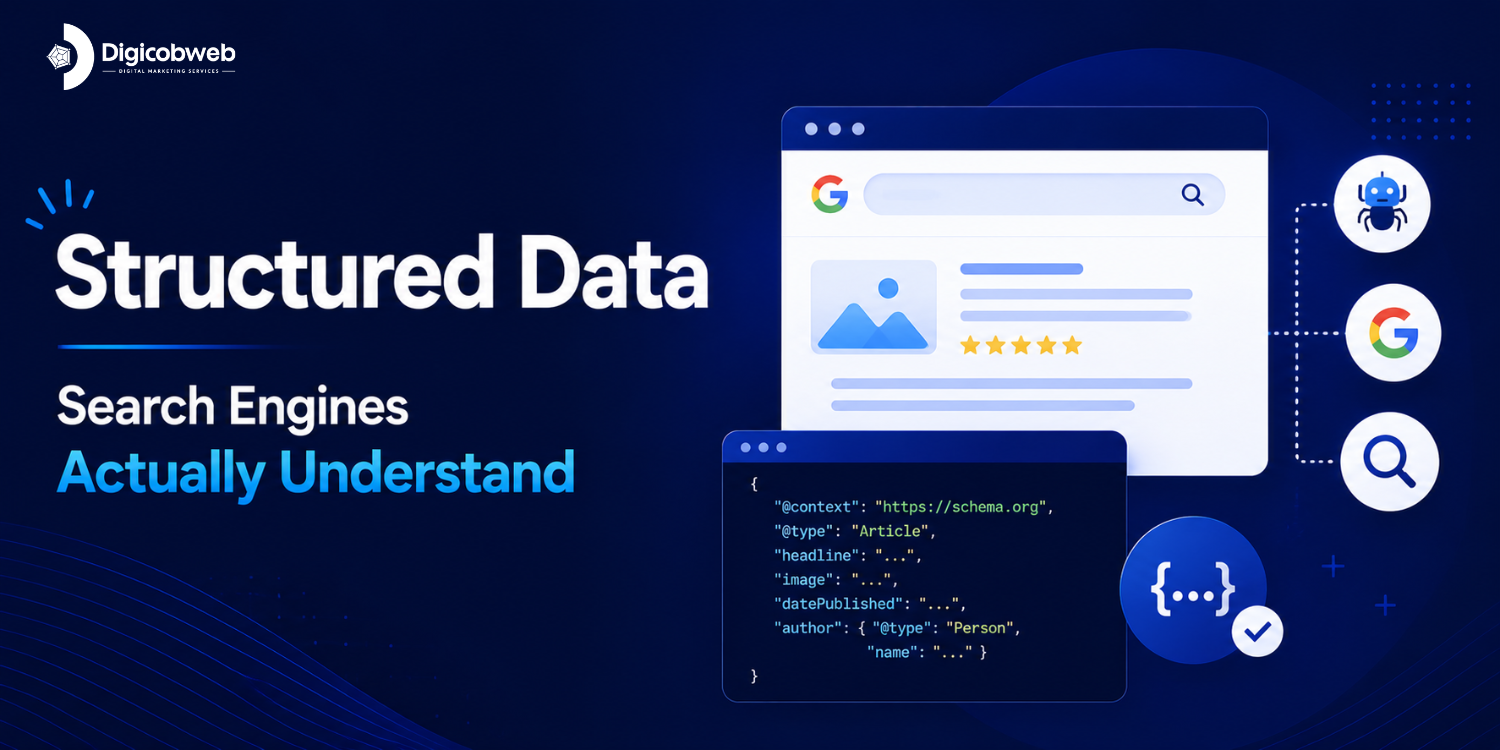
4. Build Structured Data Foundations
Schema markup ensures that your business data is read correctly by the AI algorithms. From services and opening times you provide to reviews, schema renders your content “machine-readable” and provides you with a greater likelihood of being featured in AI-powered answers.
5. Adopt a Test-and-Measure Mindset
Future-proofing is never a blind guess; it is ongoing monitoring and adjustment. Try out local SEO techniques, check the outcome, and re-evaluate based on fluctuating rankings generated by AI.
Conclusion
AI is not replacing local SEO it’s re-mapping it. The transition from keyword targeting to AI-driven ranking signals, predictive search, and intelligent review analysis makes local businesses think smarter, not harder.
What that actually does is that your visibility and so much more relies on more than Google Business Profile optimization or review buildup. It’s all about weighing out your online presence with how AI perceives trust, intent, and authority.
If you jump out ahead early by embracing structured data, user history, and formats that AI adores, you’re not just going to keep pace. You’re going to leave other gamers scrambling to find their groove with last year’s SEO gimmicks in the dust.
Local search is AI-driven, conversational, and predictively. Companies that future-proof now will be on top tomorrow.