Introduction
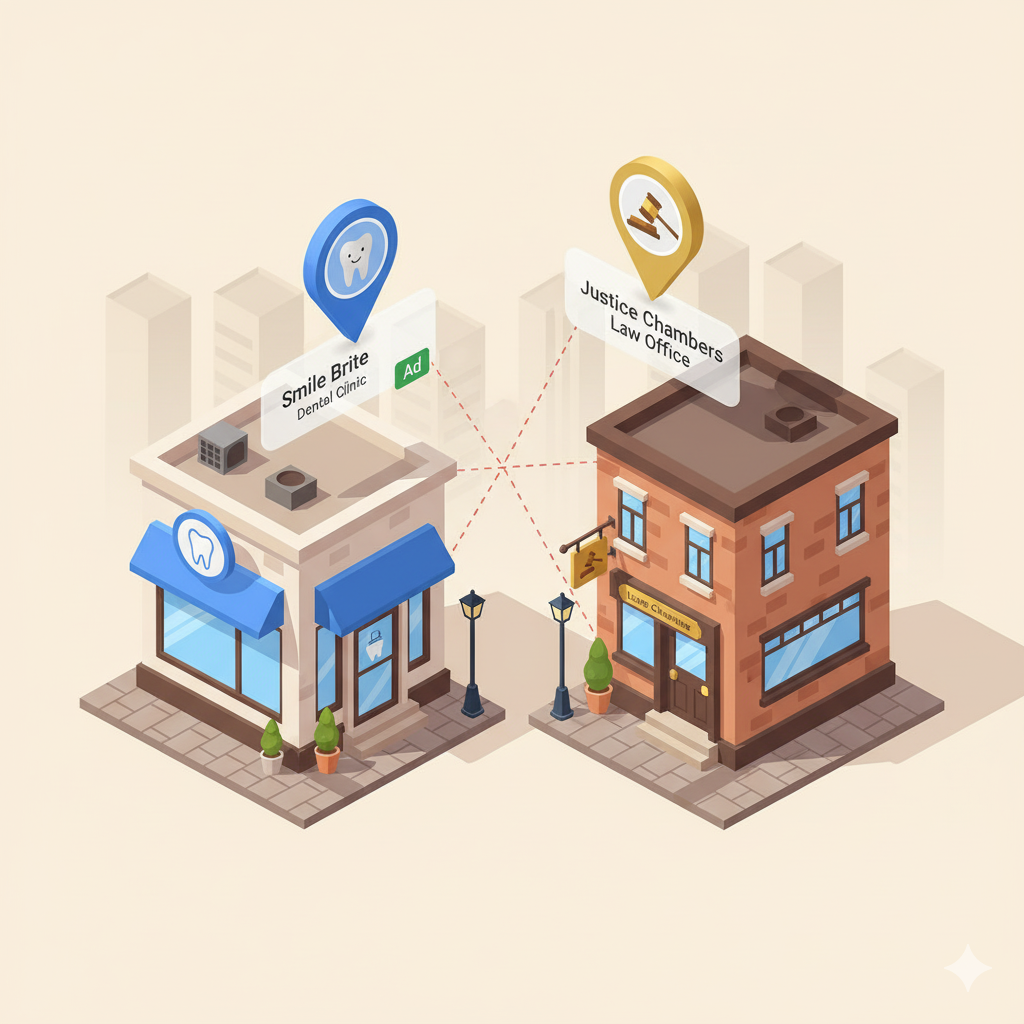
All local businesses want the same thing online: to come up first when local clients search. You may have a law firm, dental clinic, or home services company. Your worst competitors are not international corporations; they’re the businesses down the street showing up on the same Google page as you.
That’s where competitive local SEO analysis comes in. Rather than making an educated guess as to why your competition shows up higher on the local pack or maps, a competitive analysis reveals what’s actually behind their visibility. It’s not necessarily who has the largest budget or most reviews. It’s one who knows what signals Google prefers most in your market, from Google Business Profile optimization to backlinks from local directories, content depth, and even review response tactics.
By the end of reading this guide, you’ll be able to determine your actual local search competition, study their vulnerabilities and strong points, and come up with a strategy to beat them. Because in local SEO, winning isn’t about overall search dominance. It’s about outcompeting the businesses closest to you for the searches that really matter.
What is Local SEO Competitive Analysis?
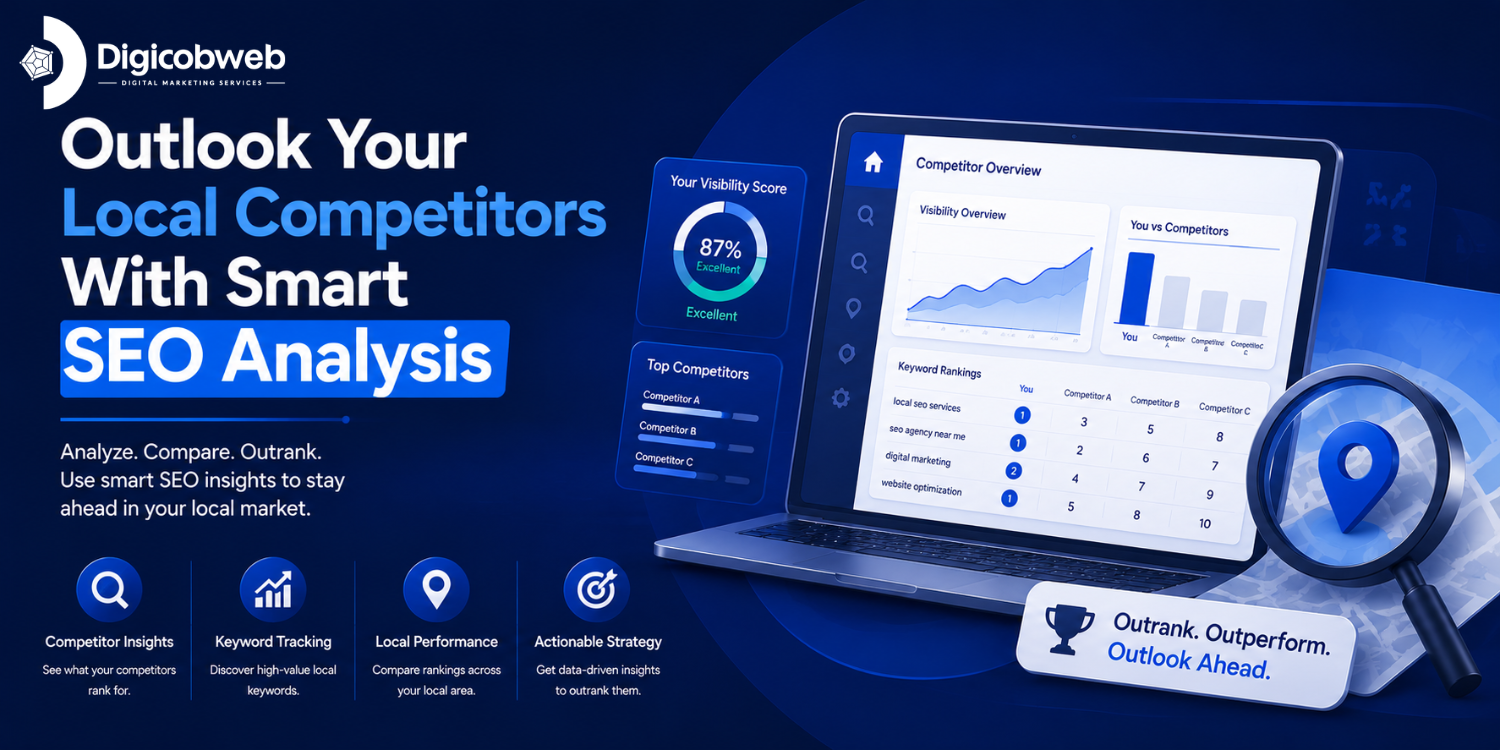
Local SEO competitive analysis is a procedure for comparing your business with surrounding competitors in local search results, especially Google’s Maps and Local Pack. It examines the strategies, strengths, and weaknesses of your competitors for the same keywords and customers in your immediate area.
This is different from general SEO analysis in that it only considers those elements that influence visibility within local search, such as the following:
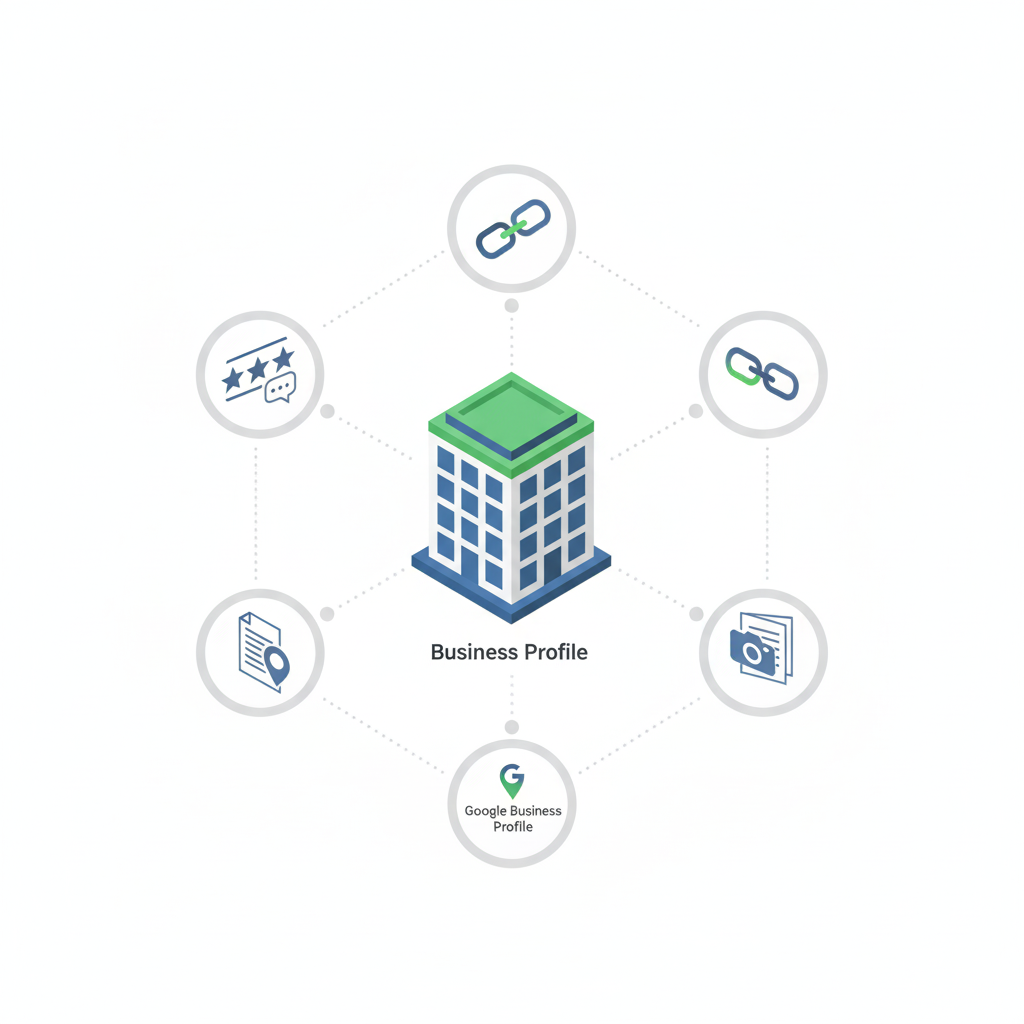
- Google Business Profile optimization
- Quality and quantity of customer reviews
- Local backlink profile strength
- Content relevance on location and service pages
- Proximity and citation accuracy
Basically, it’s all about figuring out why your competition is owning your spot in local search and how you can close the gap or pass them by.
Why Do Local SEO Competitive Analysis?
Most local companies do not work in an isolation chamber. If you are a restaurant, clinic, or repair service, the customer you are trying to attract is also being pursued by at least five other companies around the corner. That’s what local SEO competitive analysis is about.
Here’s why it matters:
- Find gaps in your strategy: If there are competitors showing up in the local pack and not you, analysis shows what they’re doing differently (more reviews, better citations, better service pages optimized).
- Rank what actually drives rankings: No guessing; you’ll see which tactics are repeatedly serving up competitors with crushing visibility.
- Catch threats in time: If a new competitor starts to climb the rankings, you can react before you get crushed.
- Benchmark performance: Seeing your rivals eye-to-eye shows you if you’re closing the gap, remaining flat, or losing ground.
- Guide wiser investment: It makes sure your time and money are invested in strategies that will truly put you ahead of companies in your local market.
In total, competitive analysis keeps you from operating blind. It provides you with a clear, data-driven map of how to remain ahead in your local search space.
Identifying Your True Local Search Competition
Another mistake businesses frequently make is that they think their offline competitors are also their search competitors. Not necessarily.
Take a local coffee shop as an example. Offline, it may consider Starbucks to be its primary competitor, but online, it can be outcompeted by smaller neighborhood coffee shops that have optimized their Google Business Profiles and reviews.

Here’s how to identify your real local search competition:
- Look up your target keywords in Google Maps and the local pack: These are the businesses really competing for customer clicks.
- Consider proximity and category relevance: Google favors businesses nearest the searcher and most relevant to the keyword intent.
- Seek out repeated appearances: If a business repeatedly appears in numerous diverse local searches, they’re a powerhouse competitor who needs to be analyzed.
- Confirm indirect competition: Sometimes, businesses outside your very niche (e.g., coworking spaces that rank for “meeting rooms”) are hijacking valuable visibility.
You need to build a list of actual search competitors and not the ones you naturally think of in person so that you’re building a plan that targets the businesses that are actually hijacking clicks and customers.
Analyzing Competitors’ Google Business Profiles
Your competitors’ Google Business Profiles (GBPs) are often the deciding factor in whether they win local clicks. A strong GBP can outweigh even a well-optimized website in local results. That’s why studying how competitors manage their listings is key.
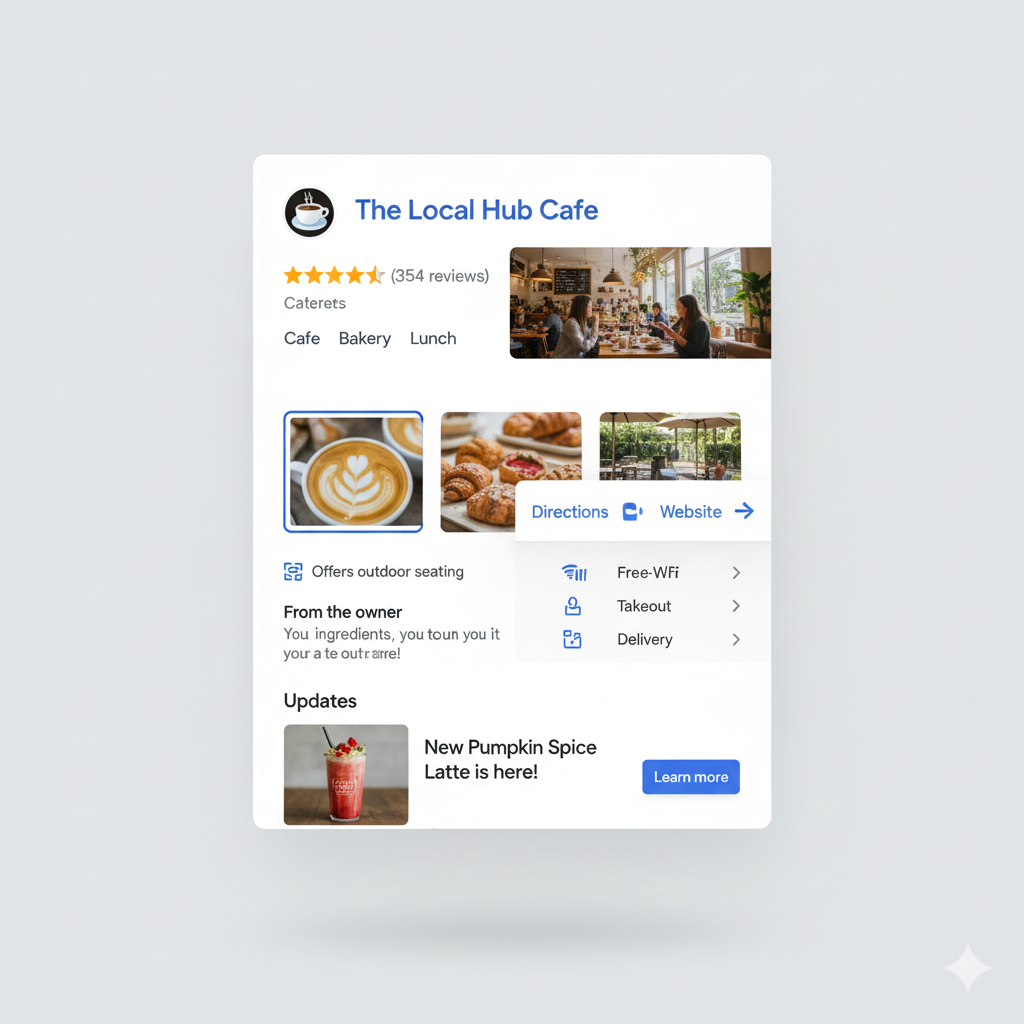
Here’s what to review when analyzing competitor GBPs:
- Primary and Secondary Categories
Categories heavily influence visibility. Check whether competitors are using more specific or accurate categories than you.
- Business Descriptions
Observe the way they describe their services. Are they keyword-rich but conversational? Do they highlight selling points that stand out?
- Photos and Media
A regular stream of good-quality pictures (interiors, exteriors, people, and products) shows activity and gets clicks. Examine photo frequency and recency.
- Posts and Updates
Active posts about deals, events, or tips show life. When your competition posts weekly and you update hardly ever, they’re shouting louder to Google and consumers.
- Attributes and Services
Check to see if they’ve enabled things like “women-owned,” “free Wi-Fi,” or a menu of services. These small details will make them rank for more queries.
- Review Engagement
Don’t just count up reviews. Monitor to observe if they respond, how quickly, and in what tone. Helpful responses can sway fence-sitters.
- Suggestion: Create a simple spreadsheet where you note these facts about each competitor. The more time that goes by, the more you’ll see patterns about what works in your local market.
(Also Read: Google Business Profile Optimization: The 2025 Guide For Higher Google Maps Ranking)
Local Competitor Backlink Analysis
Backlinks are still among the strongest signals for local SEO, but in neighborhood-focused markets, numbers are not everything. It’s quality backlinks that bring a business to the neighborhood. That’s where competitor backlink analysis comes in handy.
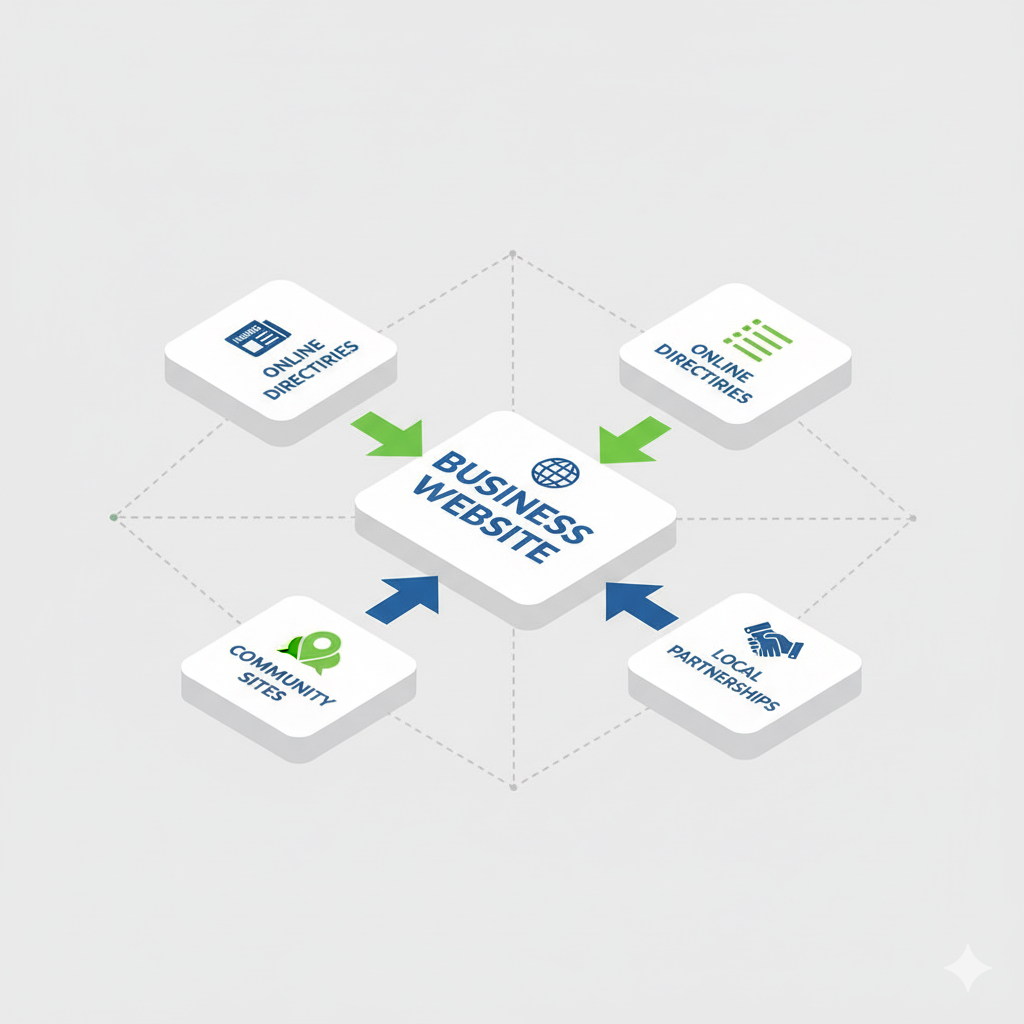
Here’s how to do it:
- Check Citation Consistency
Start with the basics. Begin at the beginning. Are the competitors listed on big directories such as Yelp, Yellow Pages, or industry websites? If they have more complete and consistent citations, that can explain stronger local rankings.
- Look for Local Partnerships
Examine their backlinks for partnerships with local chambers of commerce, neighborhood groups, or event sponsorships. These types of links have both SEO value and trust value.
- Spot Media Mentions
Are competitors being emphasized on local blogs, news sites, or neighborhood directories? One or two local media backlinks will drive authority and traffic.
- Evaluate Domain Quality
Don’t pursue every link. Review the authority of domains pointing to them. If you notice quality links from local government sites, schools, or nonprofits, mark them as priority targets.
- Track Patterns Over Time
Check using Ahrefs or SEMrush when your competitors get new backlinks. This helps you catch recent campaigns like sponsoring a sports team or organizing a charity event that got covered.
By making an outline of where your competitors are getting exposure, you can have a blueprint of link-building opportunities that are within reach for your niche.
| Want a detailed audit of your local SEO competition? |
| Talk to Our Local SEO Experts |
Review Profile Competitive Assessment
Customer reviews do more than offer social proof. In local SEO, they’re a clear ranking signal. Checking out how your competition deals with reviews can reveal where you need to improve.
What to check:
- Volume of Reviews
Do the competitors have many more reviews on Google Business Profile or Yelp? A string of regular reviews signals trust and customer engagement.
- Review Velocity
Examine how often new reviews are coming in. A competitor who is constantly receiving fresh reviews may rank higher simply because their profile is newer.
- Rating Quality
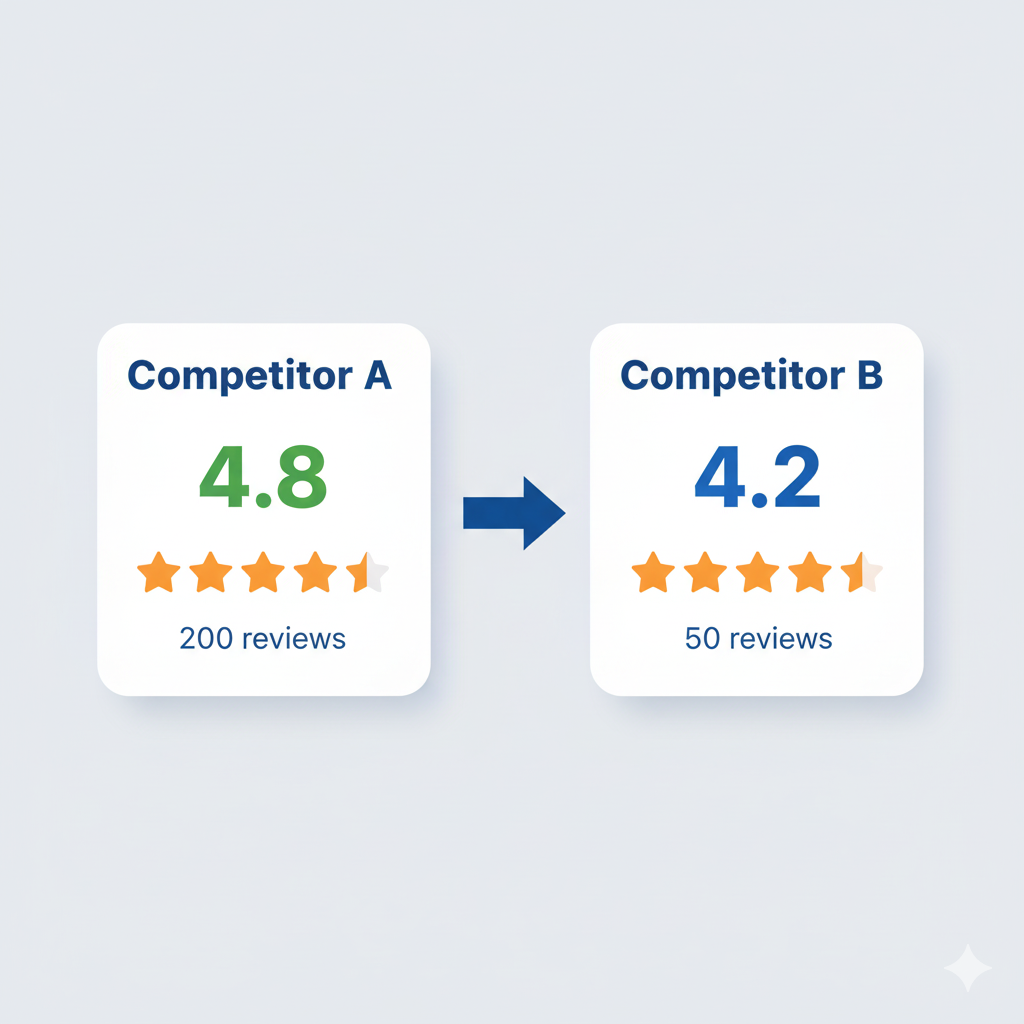
Examine the star ratings across platforms. A 4.8 rating on 200 reviews will usually out-compete a 4.2 on 50 reviews, even if the lower-rated company had been around longer.
- Response Strategy
Observe how rivals react. Are they answering positively and negatively? Prompt, businesslike responses maximize visibility and can have an indirect impact on ranking factors.
- Keyword Presence in Reviews
Consumers are likely to employ naturally occurring expressions like “best plumber in [city]” or “reasonable dentist close to me.” Should these expressions be present in rivals’ reviews, it maximizes their local SEO presence.
- Third-party Platforms
Don’t depend solely on Google alone. Competitors are likely using other avenues like TripAdvisor, Healthgrades, or Angi based on your niche.
Review profile analysis enables you to spot gaps in your reputation plan and build a review system that not only catches up with the competition but also runs past them.
Content Gap Analysis for Local Businesses
If you want to outrank rivals, you need to see what they’re sharing that you’re not and how those holes impact visibility. That’s where content gap analysis comes in.

This is how you do it:
- Audit Competitor Location Pages
Check whether rivals have rich location pages with service descriptions, FAQs, and local keywords. If your page is thin, you’re missing out on opportunities to rank.
- Blog and Resource Content
Are rivals answering regular customer inquiries with blog posts or guides? A local roofer, for example, writing “How to spot roof damage following a storm” may be diverting traffic from you.
- Service-Specific Details
Some businesses possess price ranges, step-by-step sequences, or case studies. If rivals have this and you don’t, they will be regarded as more authoritative.
- Visual Content
Most local businesses underuse images and video. Competitors who feature before-and-after photos, walkthroughs, or customer reviews in video format can drive engagement.
- FAQ Coverage
Check competitor FAQ pages focusing on customer intent. These tend to win featured snippets or voice search answers.
- Schema Usage
Schemas such as FAQ schema or review schema can bring competitor content more into view. If not using it, visibility is being left on the table.
The concept isn’t to do what everyone else is doing, but to see how they’re covering something and then creating something more comprehensive, accurate, and useful to local consumers.
Technical SEO Competitive Advantages
Content and reviews matter, but technical SEO typically makes or breaks who stays at the top of the ranks. Little tweaks in these areas can push you ahead of competitors who are neglecting them.
The most important ones to track when monitoring your competitors are described below:
- Site Speed and Core Web Vitals
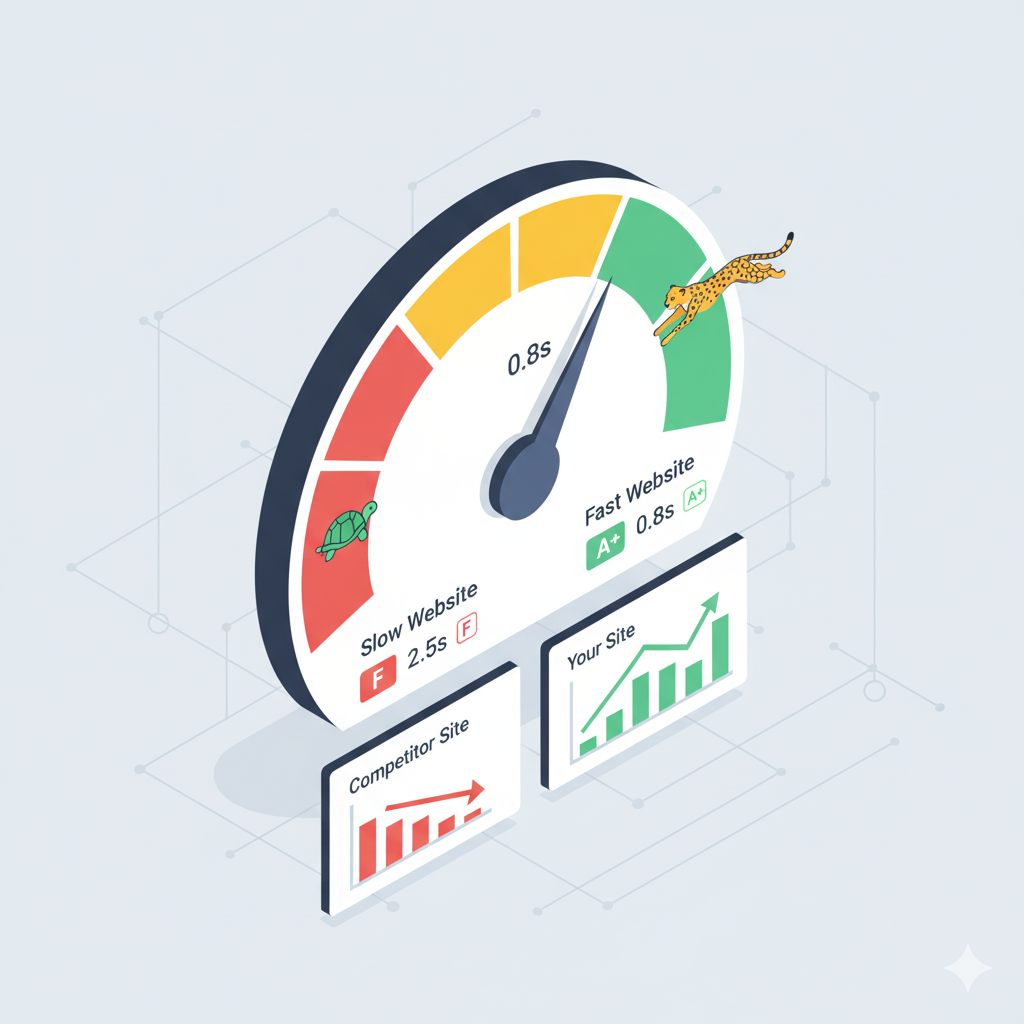
Most local rivals still have slow, clunky websites. If you can offer a faster, mobile-optimized experience, Google will notice. PageSpeed Insights and other resources can identify where competitors fall behind.
- Crawlability and Indexing
Certain competitors unknowingly block important pages using robots.txt or forget to submit sitemaps. A technical audit can spot these weaknesses.
- On-page Structure
Study the competitors’ application of headings, internal linking, and schema markup. Search engines get more vigorous signals when a well-defined hierarchy with local keywords is displayed.
- Local Schema Markup
Companies that implement the LocalBusiness schema with information such as opening hours, service area, and reviews tend to receive richer SERP presentations. If your competitors aren’t doing it, that’s an obvious opportunity.
- HTTPS and Security
Believe it or not, some small businesses still aren’t using SSL. Secure websites aren’t only a ranking signal; they establish trust with consumers.
- Mobile Usability
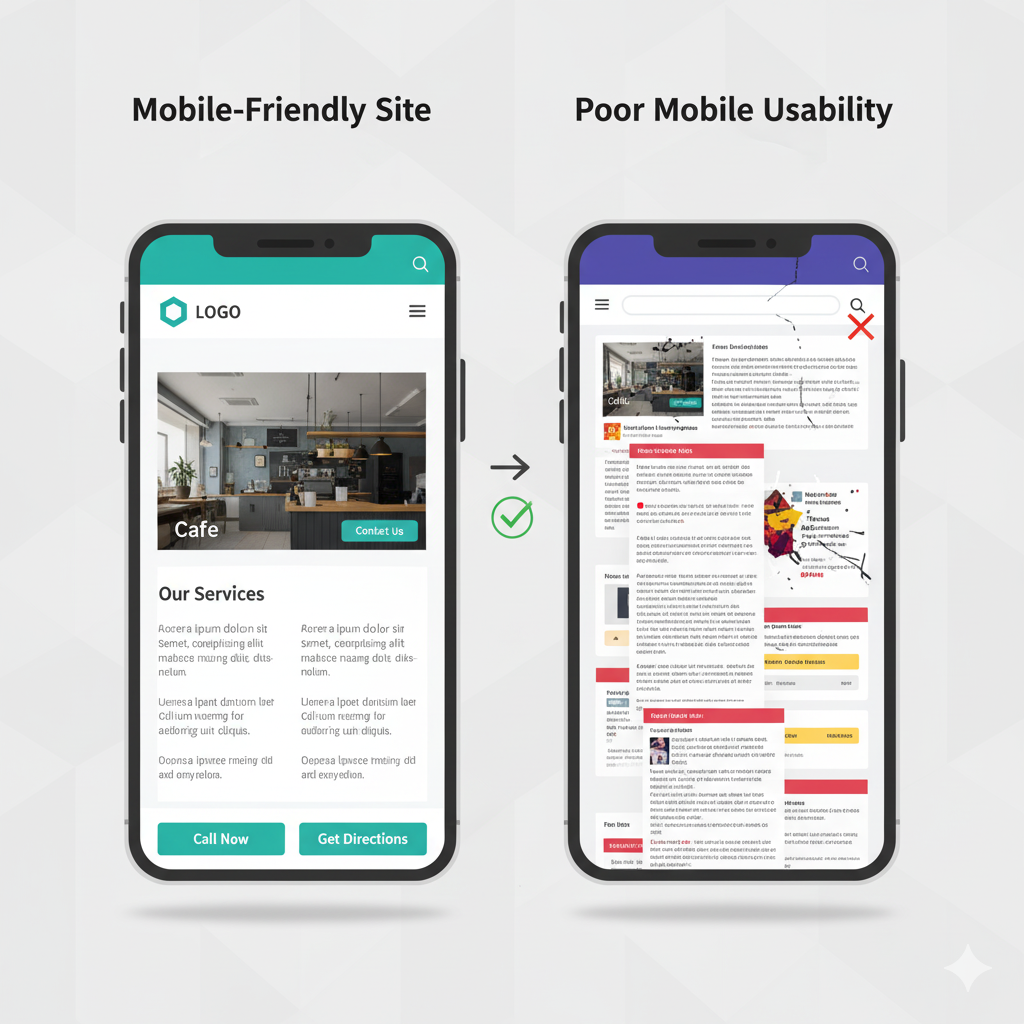
Ensure that the rival websites are absolutely responsive. If their websites are not available on mobile or are slow to load, that is your opportunity to shine with a nice mobile-first layout.
When you include technical muscle to better content and reviews, you’re stacking benefits that allow you to leave behind local competition in search results.
Creating a Competitive Differentiation Strategy
Once you have reviewed the competitor’s profile, backlinks, reviews, and technical SEO, then comes the decision of how to differentiate. Local SEO competitive analysis is only helpful if it can be turned into activities that differentiate you in your niche.
Here’s how to develop that differentiation strategy:
- Highlight Unique Value
If all competitors focus on “fast service” or “family-owned,” those messages become diluted. Determine what you do differently, whether it’s longer hours, special services, or distinctive guarantees, and make it the focus of your Google Business Profile, website, and local content.
- Create Locally Relevant Content Competitors Miss
Most companies post generic blogs. You can succeed by writing about hyperlocal subjects, such as neighborhood guides, local event summaries, or service-specific FAQs that apply to your region.
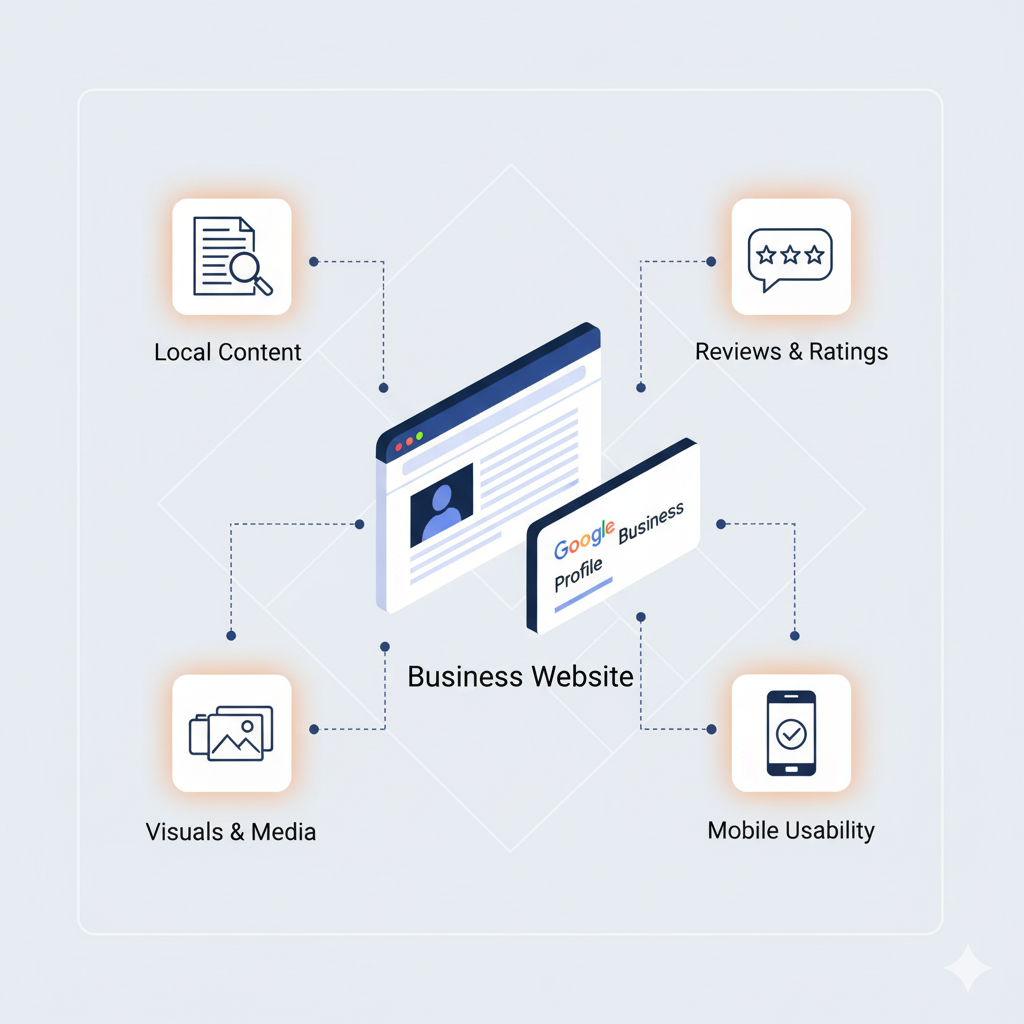
This fills in the blanks others miss.
- Strengthen Your Review Strategy
When competitors get more reviews, don’t play catch-up. Create a framework for consistent, genuine reviews. Highlight answers to customer questions and share stories that make your company human.
- Go Beyond Rankings
Visibility is important, but conversion is king. Even when you tie in local pack rankings, superior offers, communications, and user experience will bring customers to your doorstep.
Differentiation isn’t about doing everything competitors do. It’s about doing the right things better and signaling your uniqueness consistently across all search touchpoints.
Ongoing Competitive Monitoring Systems
An analysis of competition is not a single-project endeavor. Local search results change continuously as companies refresh profiles, accumulate reviews, or implement new campaigns. If you wish to remain competitive, you require systems to monitor competitor activity.
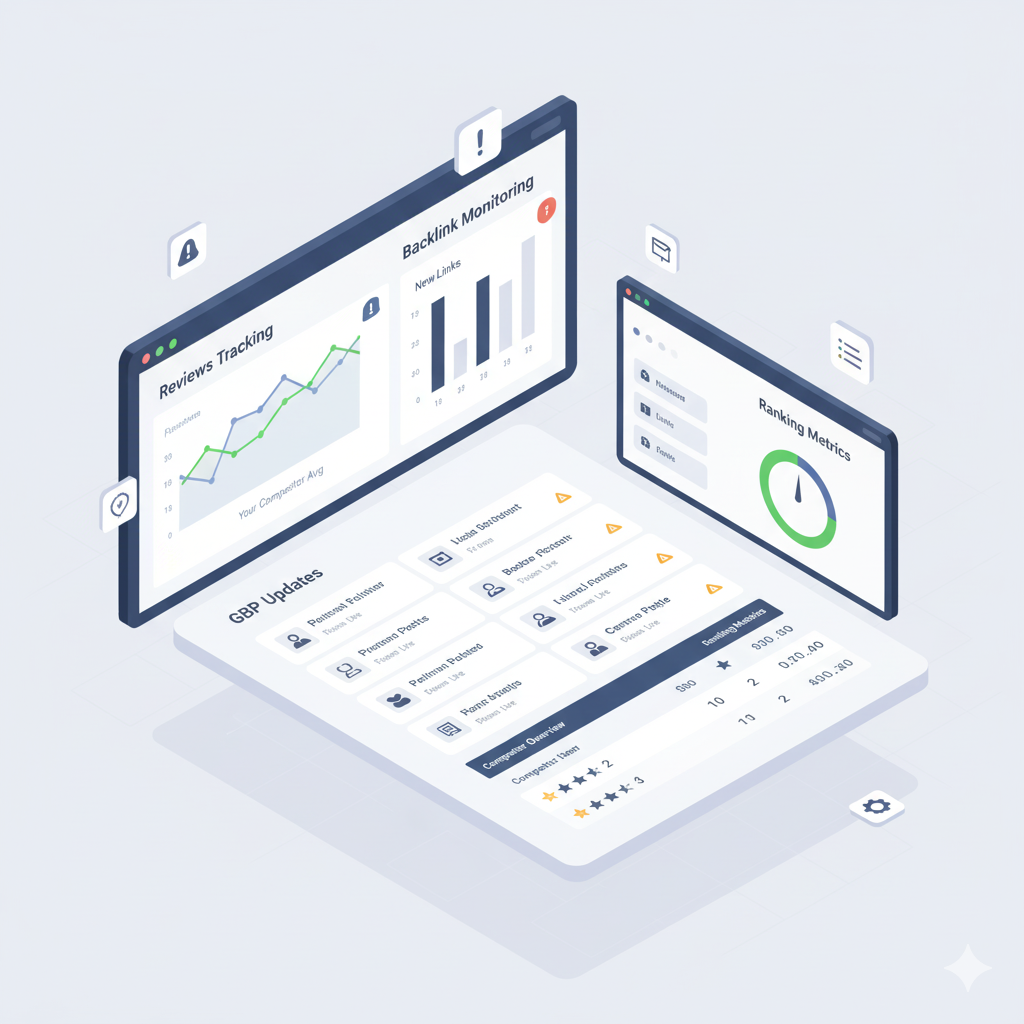
Here’s what’s best:
- Monthly Google Business Profile Checks
Monitor changes competitors make to categories, images, posts, or services. These minor tweaks can influence local pack visibility.
- Review Alerts
Use monitoring tools or manual checks to see how competitors manage customer feedback. Their review growth can signal when they’re running new outreach efforts.
- Content Tracking
Subscribe to competitors’ blogs or monitor location page updates. If they’re building out guides, service pages, or community content, you’ll know when to match or improve.
- Backlink Growth Monitoring
Monitor new local mentions or links competitors obtain. This makes it easier to see local collaborations or sponsorships that you can emulate or surpass.
- Quarterly Full Analysis
Monthly monitoring keeps you updated, but a formal quarterly review prevents you from losing out on long-term changes in rankings, backlink tactics, or technical SEO enhancements.
A regular monitoring system converts competitor analysis into a reactive project and an ongoing advantage in local SEO rivalry.
Conclusion
Competitor analysis for local SEO is not merely about noticing what your neighbours are up to. From Google Business Profile competition assessment to backlink, review, and content gap analysis, all findings you make assist you in creating a stronger strategy.
The secret to success is maintaining consistency. Competitors will always be updating their listings, acquiring new reviews, and testing out content.
In actuality, this indicates that outranking local rivals requires more intelligent, data-driven strategies that build up over time rather than taking shortcuts.